
As I stood in my kitchen, the crisp sounds of sizzling vegetables filled the air, instantly transporting me to a bustling farmer’s market on a sunny day. This recipe for 20-Minute Sautéed Vegetables is more than just a side dish; it’s a vibrant celebration of seasonal produce that takes minimal time and effort. With rich garlic butter adding a delicious depth, you’ll find it not only serves as a quick meal solution but also as a canvas for your culinary creativity. The best part? You can customize it to fit your tastes or seasonal finds—making it a versatile, healthy choice that never gets boring. Ready to explore fresh flavors and elevate your daily dining? Let’s get cooking!
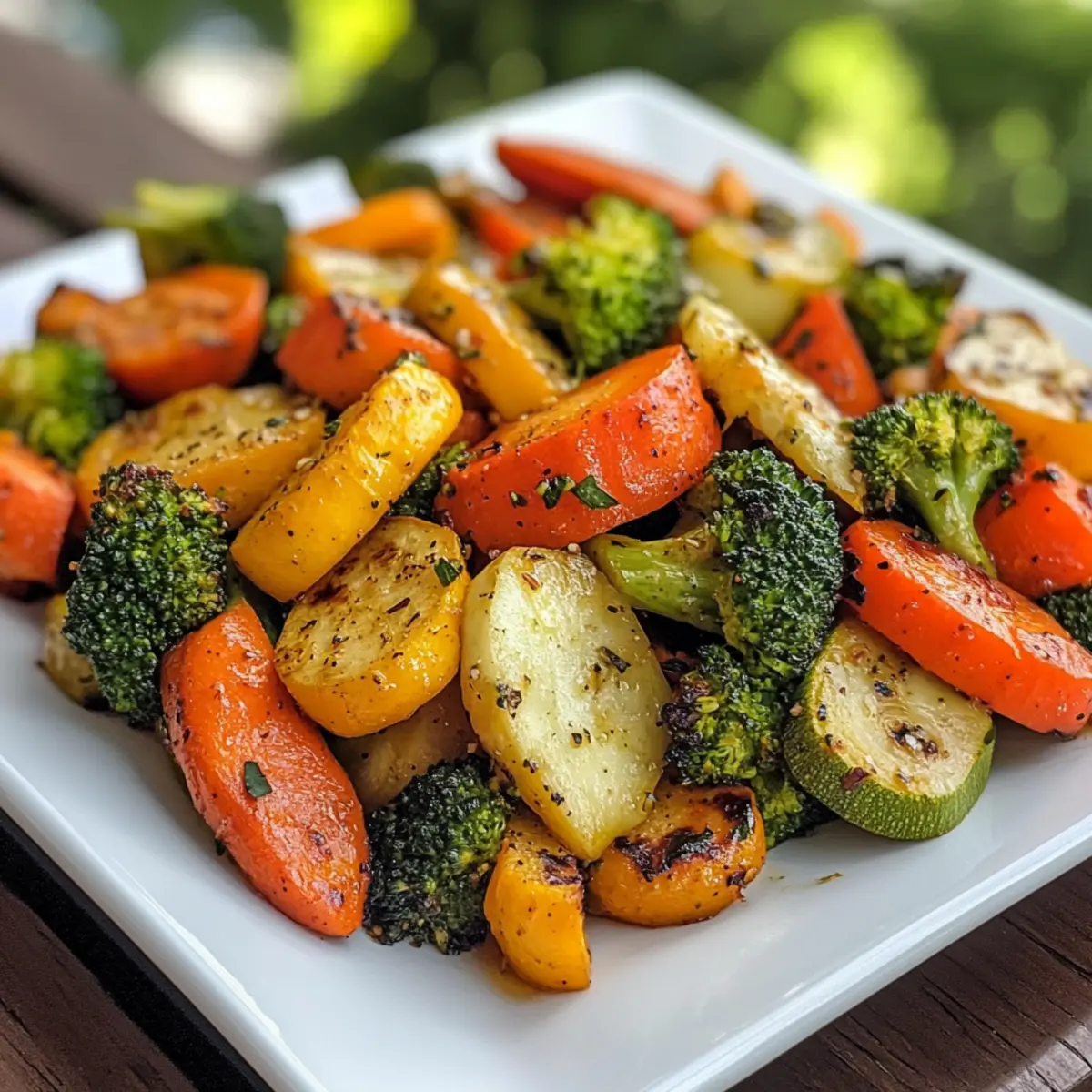
Why Are Sautéed Vegetables a Must-Try?
Quick and Easy: This recipe allows you to whip up a nutritious side dish in just 20 minutes. Perfect for busy nights when time is of the essence!
Flavorful Impact: The rich garlic butter elevates the natural tastes of fresh vegetables, creating a mouthwatering experience that your family will love.
Customizable Goodness: You can mix and match your favorite veggies based on what’s in season or what you have on hand, ensuring every batch is unique. Consider adding a sprinkle of fresh herbs for an extra burst of flavor!
Healthy Delight: Packed with vitamins and minerals, these sautéed vegetables are a guilt-free way to meet your daily intake while satisfying your taste buds.
Versatile Pairing: Serve as a delicious side for grilled chicken or tofu, or toss over pasta or quinoa for a filling main dish. It’s a true crowd-pleaser!
Ready to savor the garden-fresh flavors? Don’t forget to check out our expert tips on how to make the most of seasonal produce for the best results!
Sautéed Vegetables Ingredients
For the Base
• Olive oil – A healthy cooking fat that enhances flavor; substitute with avocado oil for a different taste.
• Red onion – Adds a sweet and savory depth; yellow onion works well too.
• Carrots – Provide crunch and natural sweetness; you can use parsnips as an alternative.
• Red bell pepper – Contributes vibrant color and sweetness; substitute with any bell pepper you enjoy.
• Broccoli – Offers health benefits and texture; feel free to swap with green beans if you prefer.
For the Medley
• Cauliflower – Adds a mild flavor that complements other veggies; zucchini is a great alternative.
• Cremini mushrooms – Bring umami richness; white button mushrooms are excellent if you’re in a pinch.
• Zucchini – Provides moisture and tenderness; yellow squash can be used for a nice change.
For Flavor
• Unsalted butter – Adds richness; for a dairy-free option, use vegan butter or more olive oil.
• Garlic – Offers aromatic depth; garlic powder can substitute in a hurry, starting with 1/2 teaspoon.
• Sea salt and black pepper – Essential for elevating flavors; adjust to meet dietary needs.
• Fresh parsley (optional) – Lends a fresh touch for garnish; swap with cilantro or basil for a different twist.
Bring these vibrant ingredients together in the kitchen, and savor the delightful experience of creating your own customized sautéed vegetables! Enjoy a healthy side dish that’s as colorful as it is nutritious.
Step‑by‑Step Instructions for Sautéed Vegetables
Step 1: Heat the Oil
Begin by heating 2 tablespoons of olive oil in a large skillet over medium-high heat. Allow the oil to shimmer, which should take about 1-2 minutes. A proper shimmer indicates that the oil is hot enough for sautéing, ready to bring out the vibrant flavors in your sautéed vegetables.
Step 2: Sauté the Onions and Carrots
Add 1 diced red onion and 2 sliced carrots to the skillet. Sauté them for about 5-7 minutes, stirring occasionally until they begin to soften and the onions become translucent. You want the carrots to maintain a slight crunch while absorbing the aromatic oil, adding depth to your delectable vegetable medley.
Step 3: Mix in the Bell Peppers and Broccoli
Next, incorporate 1 diced red bell pepper and 1 cup of broccoli florets into the skillet. Continue to cook for an additional 6-8 minutes, stirring frequently until the broccoli is bright green and crisp-tender. The sautéed vegetables should start to brown slightly, enhancing their natural sweetness and creating a delightful, colorful dish.
Step 4: Add Remaining Vegetables
Toss in 1 cup of cauliflower florets, 1 cup of sliced cremini mushrooms, and 1 diced zucchini. Cook everything together for another 4-5 minutes, allowing the flavors to meld and the mushrooms to soften. Stirring well ensures all the ingredients cook evenly, resulting in perfectly sautéed vegetables.
Step 5: Create a Flavor Center
Reduce the heat to medium-low and push the vegetables to the edges of the skillet, creating a well in the center. Add 2 tablespoons of unsalted butter and 3 minced garlic cloves in that central space. Sauté for about 1 minute, stirring the garlic until it becomes fragrant and golden, ensuring a rich flavor infusion for your sautéed vegetables.
Step 6: Combine and Season
Once the garlic is fragrant, mix all the sautéed vegetables back together in the skillet. Season with sea salt and black pepper to your taste, allowing the vegetables to soak in the flavor. Stir well and let them cook for another minute, ensuring every bite is perfectly seasoned and deliciously colorful.
Step 7: Garnish and Serve
Finally, if you desire, sprinkle freshly chopped parsley over the sautéed vegetables for a pop of color and freshness. Serve immediately, paired with your favorite main dish or as a healthy standalone option. The vibrant colors and rich aromas showcase the joyful essence of your homemade sautéed vegetables!
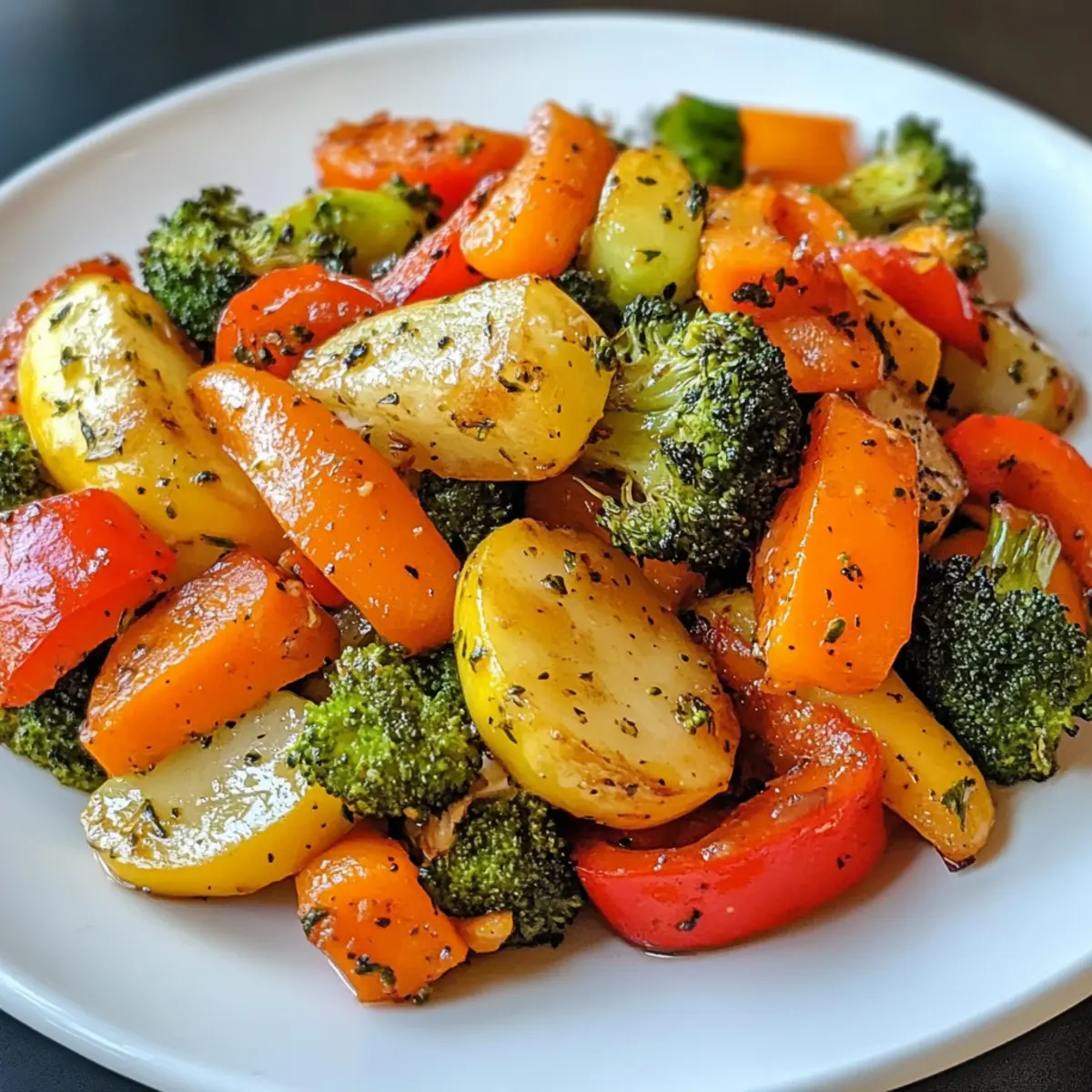
Expert Tips for Sautéed Vegetables
• Avoid Overcrowding: Make sure not to overload the skillet to prevent steaming; cooking in batches is key for perfectly sautéed vegetables.
• Crisp-Tender Perfection: Aim to cook until the veggies are just crisp-tender, retaining their vibrant colors and delightful textures without becoming mushy.
• Use a Heavy Skillet: A heavy-bottomed skillet ensures even heat distribution, which is vital for achieving those beautifully sautéed vegetables that are nicely browned.
• Customize Wisely: Embrace seasonal produce and your personal taste by selecting different veggies; just keep balance in flavor and texture for the best results.
• Herbs and Spices: For an added depth of flavor, don’t hesitate to introduce fresh herbs or spices, adding another layer to your simple yet delicious sautéed vegetables!
Sautéed Vegetables Customization Ideas
Feel free to explore your culinary creativity and make this recipe your own with delightful twists and substitutions.
-
Dairy-Free: Swap unsalted butter with vegan butter or coconut oil for a rich, plant-based flavor.
-
Spicy Kick: Add red pepper flakes or a splash of hot sauce during cooking to ignite your dish with a warm heat.
-
Extra Crunch: Toss in some toasted pine nuts or slivered almonds before serving, adding a satisfying crunch.
-
Herb Infusion: Experiment with fresh herbs! Try cilantro or dill for a refreshing flavor burst that contrasts beautifully with the sautéed vegetables.
-
Citrusy Brightness: Squeeze fresh lemon juice over the vegetables just before serving to brighten up the flavors and elevate your dish.
-
Protein Boost: Toss in cooked chickpeas or edamame while sautéing for added texture and a nutritional punch, making it a heartier side or even a main dish.
-
Seasonal Stars: Embrace seasonal produce by swapping in vegetables like asparagus in spring or sweet potatoes in fall; it’s a perfect way to keep things fresh and exciting.
-
Flavor Pow: Enhance with a sprinkle of nutritional yeast or a touch of soy sauce for umami richness that elevates the whole dish.
Remember, experimenting with your ingredients can lead to delightful discoveries in flavor! You might also find inspiration for your next meal in our expert tips for using fresh produce effectively. Happy cooking!
Storage Tips for Sautéed Vegetables
Fridge: Store leftover sautéed vegetables in an airtight container in the refrigerator for up to 3 days. Reheat gently in a skillet to maintain their crispiness.
Freezer: If you want to extend their freshness, freeze sautéed vegetables in a single layer on a baking sheet before transferring to a freezer-safe bag. They can last up to 3 months.
Reheating: When ready to enjoy your frozen sautéed vegetables, simply thaw overnight in the refrigerator and reheat in a skillet over medium heat, adding a splash of olive oil or a knob of butter for extra flavor.
Airtight Reminder: Always ensure your storage containers are airtight to prevent moisture loss and preserve the taste and texture of this colorful dish!
Make Ahead Options
These sautéed vegetables are perfect for meal prep enthusiasts looking to save time during busy weeknights! You can chop all the vegetables (like carrots, broccoli, and bell peppers) and refrigerate them for up to 3 days in an airtight container. This way, they’re ready to go when you’re short on time. To maintain their crispness and flavor, make sure to store them separately if you’re using a variety of vegetables. When you’re ready to serve, simply heat olive oil in your skillet, add the prepped veggies, and follow the remaining steps of the sautéed vegetables recipe. You’ll have a delicious and nutritious dish with minimal effort!
What to Serve with 20-Minute Sautéed Vegetables
Bring your meal to life with delightful pairings that balance flavors and create a complete dining experience.
-
Quinoa Salad: This nutty and protein-packed grain complements the vibrant veggies while adding crunch and fiber for a well-rounded dish.
-
Grilled Chicken: Tender, juicy chicken offers a savory contrast that enhances the robust flavors of sautéed vegetables. Perfect for protein lovers!
-
Creamy Polenta: The smooth, comforting texture of polenta acts as a canvas for the bright colors and flavors of your sautéed medley.
-
Lentil Soup: A hearty bowl of lentil soup offers warmth and earthiness that pairs beautifully with the fresh and crisp notes of sautéed vegetables.
-
Garlic Bread: This crispy, buttery delight brings a touch of indulgence, making it the ideal companion to soak up any leftover flavors from your sautéed mix.
-
Crispy Tofu: For a vegan option, crispy tofu adds a satisfying crunch while absorbing the garlic butter nuances, ensuring each bite bursts with flavor.
-
Herb-Infused Rice: Fluffy, aromatic rice infused with herbs harmonizes with the sautéed vegetables, creating a wholesome meal that’s both satisfying and fresh.
-
Wine Spritzer: A refreshing wine spritzer enhances the flavor profile and adds a festive touch. It’s a delightful way to unwind with your colorful side!
Elevate your dining experience by mixing and matching these pairings for a truly satisfying meal that celebrates garden-fresh flavors and wholesome ingredients!
Sautéed Vegetables Recipe FAQs
What types of vegetables are best for sautéing?
Absolutely! You can use a variety of vegetables for sautéing such as carrots, bell peppers, broccoli, cauliflower, cremini mushrooms, and zucchini. The key is to balance different textures and flavors. Seasonal vegetables work wonderfully, so feel free to explore what’s fresh at your local market!
How should I store leftover sautéed vegetables?
Leftover sautéed vegetables can be stored in an airtight container in the refrigerator for up to 3 days. When ready to enjoy, gently reheat them in a skillet over medium heat. This method will help retain their flavorful, crisp texture and make them just as delicious as when they were first cooked!
Can I freeze sautéed vegetables?
Yes, you can! To freeze sautéed vegetables, spread them in a single layer on a baking sheet and place them in the freezer. Once they’re frozen solid, transfer them to a freezer-safe bag. They will keep well for up to 3 months. When you’re ready to use them, simply thaw overnight in the refrigerator and reheat gently in a skillet for the best flavor and texture!
What if my sautéed vegetables turn out soggy?
No worries! If your sautéed vegetables become soggy, it may be due to overcrowding the skillet, which causes them to steam rather than sauté. Next time, make sure to cook in smaller batches, and aim for that beautiful crisp-tender texture by not overcooking them. You can even try increasing the heat slightly to achieve that perfect caramelization!
How can I make sautéed vegetables more suitable for a vegan diet?
It’s very easy! To make this sautéed vegetables recipe vegan, simply substitute the unsalted butter with vegan butter or an additional splash of olive oil. This will still give you that rich flavor without any dairy, keeping your dish deliciously plant-based!
Are sautéed vegetables safe for my pets?
While many vegetables are safe for pets, it’s best to avoid onions and garlic in your sautéed mix as they can be harmful to dogs and cats. Always double-check with your veterinarian regarding which vegetables are safe for your furry friends before sharing!
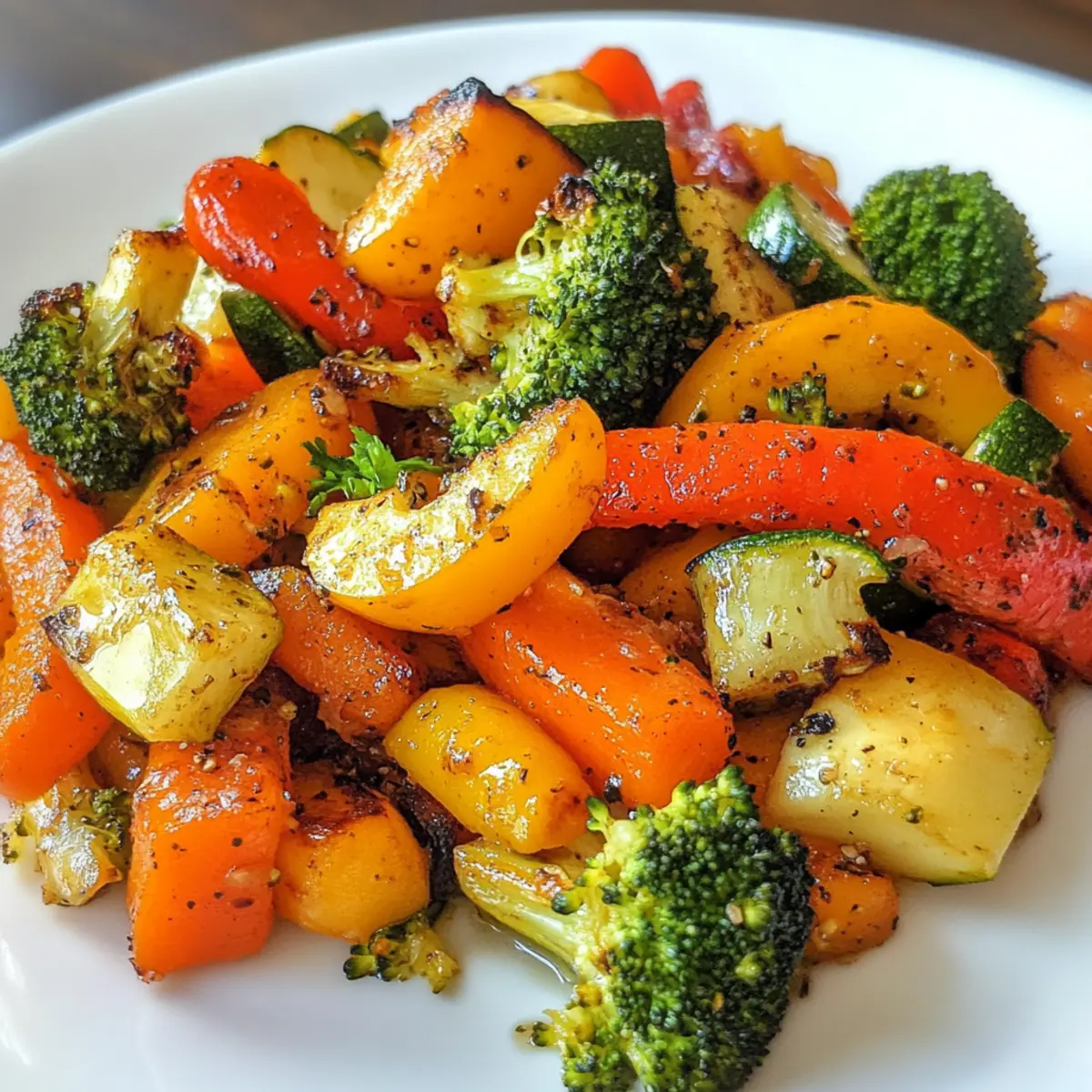
Sautéed Vegetables Made Easy: Quick, Colorful & Delicious
Ingredients
Equipment
Method
- Heat 2 tablespoons of olive oil in a large skillet over medium-high heat until it shimmers, about 1-2 minutes.
- Add 1 diced red onion and 2 sliced carrots; sauté for 5-7 minutes until softened and translucent.
- Incorporate 1 diced red bell pepper and 1 cup of broccoli florets; cook for 6-8 minutes until broccoli is bright green.
- Add 1 cup of cauliflower florets, 1 cup of sliced cremini mushrooms, and 1 diced zucchini; cook for 4-5 minutes.
- Reduce heat to medium-low, push vegetables to the sides, and add 2 tablespoons of unsalted butter and 3 minced garlic cloves to the center.
- Sauté garlic for about 1 minute until fragrant, then combine all vegetables and season with sea salt and black pepper.
- Garnish with chopped parsley before serving.
Leave a Reply