
A sudden rush of fragrances swept over me as I stirred the pot, memories of summer afternoons in the south of France flooding my senses. This Ratatouille Soup captures the heart of that classic dish, transforming a vibrant medley of vegetables into a cozy, nourishing meal perfect for any season. With its easy preparation and wholesome ingredients, you can enjoy the essence of Provence in your own kitchen without the fuss. Not only is it ideal for chilly evenings, but it also offers a healthy twist that’s sure to become a favorite among friends and family. Ready to unwind with a bowl of pure comfort? Let’s dive into the creation of this delightful dish together!
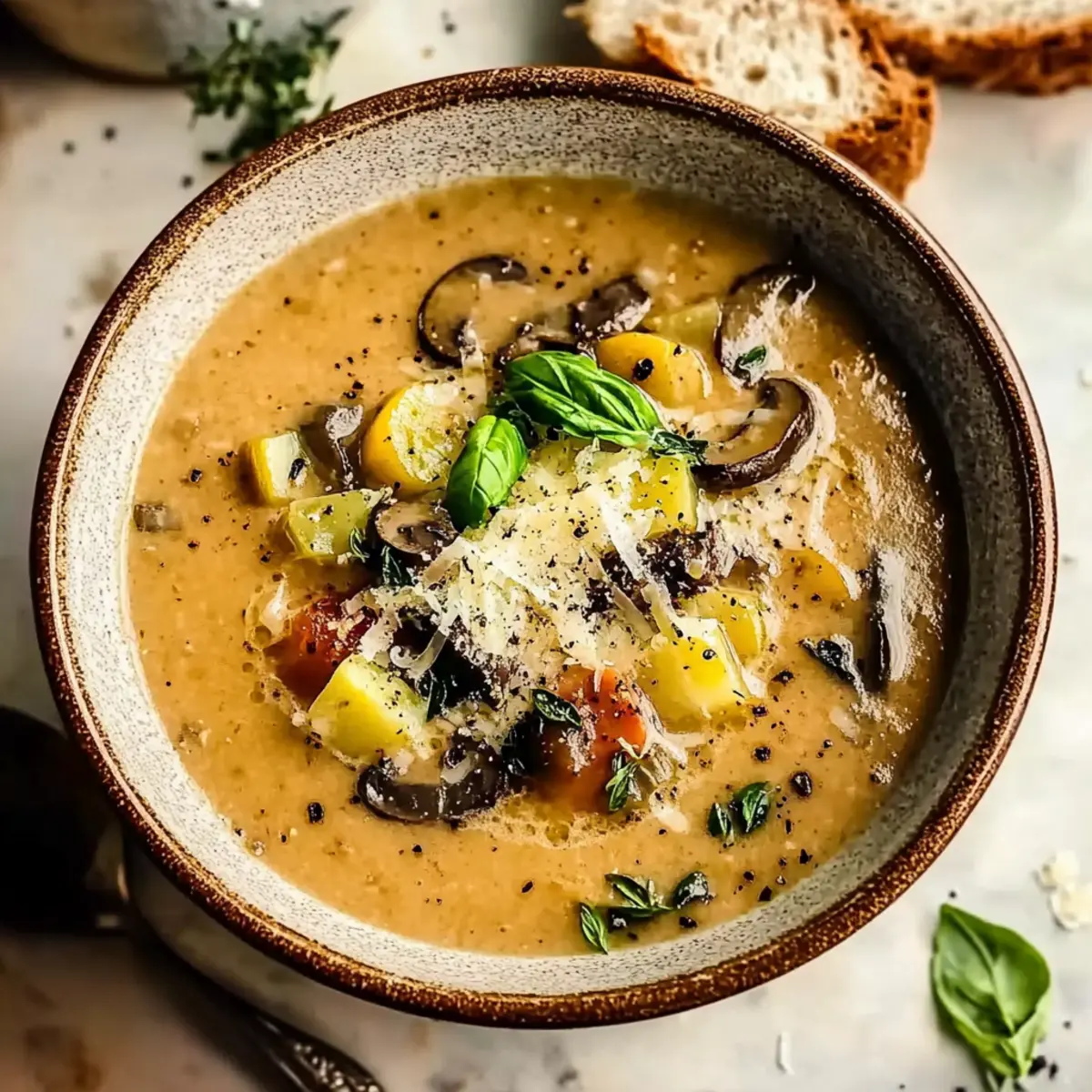
Why is Ratatouille Soup a Must-Try?
Comforting and Cozy: This Ratatouille Soup brings warmth and satisfies with each spoonful, making it perfect for chilly nights.
Healthy Ingredients: Packed with colorful vegetables, it’s a nutritious option for those seeking low-calorie meals without sacrificing flavor.
Simple Preparation: With straightforward steps, you’ll be enjoying your homemade soup in no time, making it an easy choice for busy weeknights.
Endless Variety: Feel free to customize your soup with added proteins like beans or lentils to suit your dietary needs, or blend it for a creamy twist!
Crowd-Pleasing Appeal: Whether you’re gathered with family or hosting friends, this dish is sure to impress, echoing the heartwarming essence of Provence.
Discover more delightful veggie recipes like our easy Mediterranean Chickpea Salad or cozy options like Creamy Tomato Basil Soup to keep mealtime exciting!
Ratatouille Soup Ingredients
For the Base
- Olive Oil – Adds richness and flavor; substitute with avocado oil for a different taste.
- Onion – Provides an aromatic base; yellow or white onion can be used interchangeably.
- Garlic – Enhances the depth of flavor; fresh garlic is preferable; avoid pre-minced options for better taste.
- Crushed Tomatoes (28 oz can) – Forms the soup’s base with acidity and flavor; fresh tomatoes can be used if in season.
- Tomato Sauce (15 oz can) – Acts as a thickener and adds depth; can use more crushed tomatoes in place of this.
- Vegetable Broth – Provides a liquid base and flavor; homemade or low-sodium store-bought are the best options.
For the Vegetables
- Red Bell Pepper – Adds sweetness and color; substitute with more yellow bell pepper or chopped tomatoes.
- Yellow Bell Pepper – Contributes sweetness and vibrancy; can be replaced with any preferred color of bell pepper.
- Zucchini – Brings moisture and helps bulk up the soup; substitute with yellow squash if needed.
- Eggplant – Adds texture and heartiness; use diced summer squash as an alternative.
Herbs & Seasoning
- Dried Oregano – Adds a warm, earthy flavor; fresh oregano can be substituted (3 times the amount).
- Dried Basil – Contributes a sweet, herbaceous note; fresh basil can also be used (3 times the amount).
- Dried Thyme – Offers subtle floral notes; can be replaced with Italian seasoning for a different profile.
- Red Pepper Flakes (optional) – Adds spiciness; omit for mild flavor or add more for a spicier kick.
- Salt and Black Pepper – Essential for seasoning; adjust to taste as needed.
For Garnish
- Fresh Basil Leaves – Provides freshness and visual appeal; use parsley as an alternative for garnish.
- Crusty Bread (for serving – optional) – Perfect for dipping; choose any good-quality artisan bread.
This hearty Ratatouille Soup is a straightforward recipe, bursting with flavor and nutritional goodness that your family will adore!
Step‑by‑Step Instructions for Ratatouille Soup
Step 1: Prepare the Vegetables
Begin by chopping one medium onion, mincing three cloves of garlic, and dicing one red bell pepper, one yellow bell pepper, one zucchini, and one eggplant into bite-sized pieces. Organizing your vegetables will streamline the cooking process, allowing for even cooking and vibrant flavors in your Ratatouille Soup.
Step 2: Sauté Aromatics and Vegetables
In a large pot, heat three tablespoons of olive oil over medium heat. Once shimmering, add the chopped onion and sauté for about 5–7 minutes until softened and translucent. Stir in the minced garlic, cooking for an additional minute until fragrant. Then, add the diced bell peppers, sautéing for 5 minutes until they soften. Finally, incorporate the zucchini and eggplant, cooking for another 5–7 minutes until tender.
Step 3: Simmer the Soup
To the cooked vegetables, add one 28 oz can of crushed tomatoes, one 15 oz can of tomato sauce, and four cups of vegetable broth. Stir well to combine and incorporate flavors. Sprinkle in one teaspoon of dried oregano, one teaspoon of dried basil, and one teaspoon of dried thyme, along with optional red pepper flakes for a kick. Season with salt and black pepper to taste. Bring the mixture to a gentle simmer, reduce heat, and cover the pot.
Step 4: Cook and Develop Flavors
Let the Ratatouille Soup simmer for 30–60 minutes on low heat, stirring occasionally to prevent sticking. This slow cooking allows the vegetables to meld beautifully, deepening the flavors. You’ll know it’s ready when all the vegetables are tender but not mushy, creating a rustic texture that is satisfying and hearty.
Step 5: Adjust and Serve
Before serving, taste the soup and adjust the seasoning as desired; adding a little more salt, pepper, or herbs can enhance the flavor. For a smoother soup, consider blending a portion of the mixture using an immersion blender for a creamy texture. Ladle the soup into bowls, garnishing with fresh basil leaves, and serve with crusty bread for a delightful finish.

Ratatouille Soup Variations & Substitutions
Feel free to explore these delicious variations that allow you to make this Ratatouille Soup your very own!
- Protein Boost: Add white beans or lentils during the last 10 minutes of simmering for a hearty increase in nutrition.
- Umami Flavor: Toss in mushrooms while sautéing the vegetables for a deeper, rich flavor that complements the soup perfectly.
- Greens Galore: Mix in some baby spinach or kale towards the end of cooking for a burst of color and added nutrients.
- Creamy Texture: Blend a portion of the soup using an immersion blender for a luxuriously creamy texture without adding any dairy.
- Tangy Twist: A splash of balsamic vinegar just before serving gives the soup a delightful tang, elevating the overall flavor profile.
- Herb Variation: Try using fresh herbs like thyme or tarragon instead of dried to introduce a fresher taste in your Ratatouille Soup.
- Spicy Kick: For those who love heat, increase the red pepper flakes or add diced jalapeños during the sautéing phase for extra spice!
- Flavorful Oils: Substitute olive oil with truffle oil for an elegant finish that enhances the earthy flavors of the vegetables.
Feel free to customize your soup to match your mood and pantry ingredients! For more delightful veggie dishes, check out our easy Mediterranean Chickpea Salad and comforting Creamy Tomato Basil Soup to keep your meals exciting!
Expert Tips for Ratatouille Soup
-
Prep Ahead: Ensuring all vegetables are prepped in advance can save time during cooking, leading to a smoother experience and even cooking for your Ratatouille Soup.
-
Broth Adjustment: Adjust the amount of vegetable broth based on your preferred soup thickness; more broth will yield a lighter soup while less offers a heartier texture.
-
Simmering Secrets: For richer flavors, allow your soup to simmer longer; the taste will deepen over time, making leftovers even more delicious for meal prep!
-
Avoid Overcooking: Keep an eye on the vegetables while they simmer; they should remain tender yet firm to prevent a mushy texture in your Ratatouille Soup.
-
Add Your Twist: Feel free to experiment with additional ingredients like proteins or greens to customize the soup to your liking and dietary preferences!
Make Ahead Options
These Ratatouille Soup preparations are perfect for busy weeknights! You can chop and store all the vegetables (onion, bell peppers, zucchini, and eggplant) in an airtight container in the refrigerator up to 3 days ahead of time to save on prep work. Alternatively, feel free to sauté the aromatics and vegetables, then let them cool before refrigerating for up to 24 hours. This way, all the flavors meld beautifully overnight. When you’re ready to finish your Ratatouille Soup, simply simmer it on the stove with the crushed tomatoes and vegetable broth, and adjust the seasoning before serving. You’ll enjoy the convenience of a satisfying homemade meal with minimal effort!
What to Serve With Ratatouille Soup
Enjoy this delightful soup experience by pairing it with some complementary flavors and textures.
-
Crusty Artisan Bread: A must-have companion that easily sops up the soup, enhancing every spoonful with satisfying, chewy bites.
-
Creamy Goat Cheese: A dollop adds a vibrant tanginess that contrasts beautifully with the savory, herbaceous notes of the soup.
-
Fresh Green Salad: A crisp mix of greens with a lemony vinaigrette brightens the meal, adding a refreshing crunch that balances the warmth of the soup.
-
Garlic Bread: Toasted slices slathered in garlic butter provide a rich, buttery flavor, making for the perfect accompaniment to your comforting Ratatouille Soup.
-
Roasted Vegetables: Adding a side of earthy roasted seasonal vegetables brings out the dish’s wholesome essence, celebrating it with added depth and texture.
-
Quinoa or Rice: Serve alongside a scoop of fluffy quinoa or rice, soaking up the vibrant flavors of the soup, making it even more filling and nutritious.
-
Chilled White Wine: A glass of crisp Sauvignon Blanc or a light Pinot Grigio elevates the meal, enhancing the fresh vegetables’ flavors with each sip.
-
Dark Chocolate Squares: End the meal on a sweet note with a few pieces of dark chocolate, contrasting the savory soup with a hint of sweetness—perfect for a cozy finish!
With these thoughtful pairings, your Ratatouille Soup will transform into a well-rounded, unforgettable dining experience that’s sure to please!
How to Store and Freeze Ratatouille Soup
Fridge: Store leftovers in an airtight container for up to 4 days, allowing you to enjoy the vibrant flavors at your convenience.
Freezer: Freeze your Ratatouille Soup in freezer-safe containers for up to 3 months. Portion it for easy defrosting and quick meals later!
Reheating: Gently reheat on the stove over medium heat, stirring occasionally until warmed through. Add a splash of broth if needed to restore creaminess.
Thawing: For frozen soup, transfer it to the fridge a day before enjoying or use the microwave for quick defrosting on defrost setting for best results.

Ratatouille Soup Recipe FAQs
How do I choose ripe vegetables for my Ratatouille Soup?
Absolutely! When selecting vegetables, look for firm zucchini, vibrant bell peppers, and fresh eggplant. Zucchini should have smooth skin without dark spots, bell peppers should be brightly colored, and eggplants should be shiny and free of blemishes. Aim for seasonal produce for the best flavor.
What’s the best way to store leftovers of Ratatouille Soup?
Store your Ratatouille Soup in an airtight container in the refrigerator for up to 4 days. Make sure the soup is completely cooled before sealing it; this helps prevent moisture build-up and keeps it fresh. Just reheat gently on the stove, adding a little broth if it thickens too much.
Can I freeze Ratatouille Soup, and if so, how?
Yes, you can freeze your Ratatouille Soup! Allow the soup to cool entirely, then pour it into freezer-safe containers, leaving space at the top for expansion. It can be frozen for up to 3 months. When you’re ready to enjoy it, thaw it in the refrigerator overnight and reheat on the stove for the best texture.
The soup turned out too thick; what should I do?
No worries! If your Ratatouille Soup is thicker than you’d like, simply add a splash of vegetable broth or water as it heats up. Stir well until you reach your desired consistency. This will help maintain the intended flavors while also making the soup easier to eat.
Is this Ratatouille Soup suitable for those with dietary restrictions?
Very! This vegetarian soup is naturally gluten-free, low-calorie, and packed with vitamins. If you have a nut allergy, just ensure any substitutions or breads are nut-free. You can also add protein like lentils or white beans for a heartier meal that caters to several dietary preferences.
What’s the best way to reheat frozen Ratatouille Soup?
For the best results, thaw the frozen soup in the refrigerator overnight before reheating. When ready, pour it into a pot and heat over medium heat, stirring occasionally. If needed, add a bit of vegetable broth to restore creaminess and flavor. Enjoy the warmth of your homemade Ratatouille Soup again!

Cozy Ratatouille Soup: A Hearty Bowl of Comfort and Flavor
Ingredients
Equipment
Method
- Begin by chopping one medium onion, mincing three cloves of garlic, and dicing one red bell pepper, one yellow bell pepper, one zucchini, and one eggplant into bite-sized pieces.
- In a large pot, heat three tablespoons of olive oil over medium heat. Once shimmering, add the chopped onion and sauté for about 5–7 minutes until softened.
- Stir in the minced garlic, cooking for an additional minute until fragrant. Add the diced bell peppers, sautéing for 5 minutes until they soften.
- Incorporate the zucchini and eggplant, cooking for another 5–7 minutes until tender.
- To the cooked vegetables, add one 28 oz can of crushed tomatoes, one 15 oz can of tomato sauce, and four cups of vegetable broth. Stir to combine.
- Sprinkle in one teaspoon of dried oregano, one teaspoon of dried basil, and one teaspoon of dried thyme, along with optional red pepper flakes. Season with salt and black pepper.
- Bring the mixture to a gentle simmer, reduce heat, and cover the pot.
- Let the Ratatouille Soup simmer for 30–60 minutes on low heat, stirring occasionally.
- Before serving, taste the soup and adjust the seasoning as desired. Ladle the soup into bowls, garnishing with fresh basil leaves, and serve.
Leave a Reply