
As the sun sets, the comforting aroma of baking bread drifts through my kitchen, a nostalgic reminder of family gatherings and laughter around the table. This No-Knead Easiest Yeast Bread recipe is my go-to for creating a soft, golden loaf with just minimal effort, making it perfect for any meal. Not only is it beginner-friendly, inviting novice bakers to join the fun, but its versatility lends itself beautifully to any occasion—think sandwiches, toast, or a delightful side to your favorite soups. With variations ranging from herbed and cheesy loaves to sweet cinnamon twists, you’ll never tire of this comforting staple. Are you ready to fill your home with the irresistible scent of freshly baked bread? Let’s dive into the world of yeast bread together!
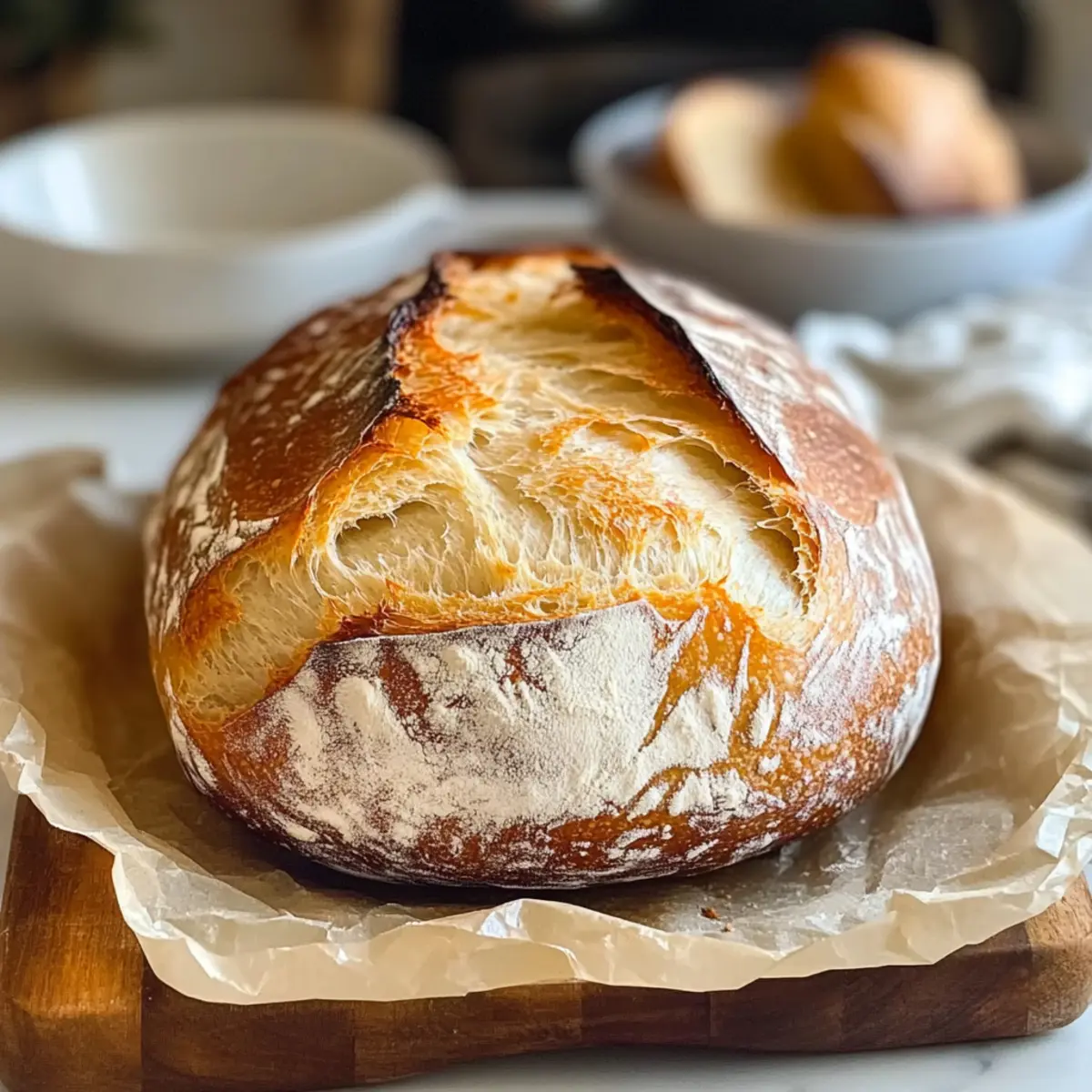
Why is this yeast bread a must-try?
Simplicity at Its Best: With a no-knead method, even beginner bakers can master this recipe without hassle.
Versatile Options: Whether you crave a savory herb loaf or a sweet cinnamon twist, the variations invite culinary creativity for every palate.
Warm, Aromatic Delight: The irresistible smell of freshly baked bread will fill your kitchen, evoking warmth and nostalgia.
Ideal for Any Meal: Perfect for sandwiches, toast, or dipping in soups, this bread suits any occasion with ease.
Time-Saving Recipe: Little effort yields a delightful loaf, making it a quick go-to for last-minute meals or gatherings.
Yeast Bread Ingredients
• Here’s everything you need to make your own irresistible yeast bread!
For the Dough
- All-Purpose Flour – Provides structure and texture; can substitute with whole wheat or gluten-free flour for different flavors.
- Active Dry Yeast – Leavens the bread, creating a light texture; instant yeast works too without the need for proofing.
- Sugar – Feeds the yeast and promotes browning; feel free to swap with honey or agave syrup for a unique twist.
- Salt – Enhances the flavor and regulates yeast activity for a well-balanced taste.
- Warm Water – Activates the yeast at around 110°F/43°C, ensuring optimal rising for your yeast bread.
- Olive Oil (optional) – Adds richness and moisture; omit for a lighter loaf or substitute with melted butter if preferred.
Now that you have the ingredients, let’s get ready to create a soft, warm, and absolutely delightful loaf of yeast bread!
Step‑by‑Step Instructions for No-Knead Easiest Yeast Bread
Step 1: Activate the Yeast
In a mixing bowl, combine 1¾ cups of warm water (around 110°F/43°C) and 2 tablespoons of sugar. Sprinkle 2¼ teaspoons of active dry yeast over the surface and let it sit for 5–10 minutes. You’ll know it’s ready when the mixture becomes frothy and bubbly, indicating that the yeast is active and eagerly waiting to rise your yeast bread.
Step 2: Mix the Ingredients
Once the yeast is foamy, stir in 1 tablespoon of salt and 2 tablespoons of olive oil (if using) until well combined. Gradually add 4 cups of all-purpose flour, one cup at a time, using a wooden spoon or spatula to mix. Continue mixing until the dough forms a shaggy consistency—don’t worry if it looks messy; this is part of the charm of no-knead yeast bread!
Step 3: First Rise
Cover the mixing bowl with a towel or plastic wrap to create a warm environment for rising. Place the bowl in a warm spot and let the dough rise for about 1 hour, or until it has doubled in size. You’ll see the dough swell and bubble, a sure sign that your yeast is doing its magic and making this loaf fluffy and delightful.
Step 4: Shape the Dough
After the first rise, gently punch down the dough to release air. Transfer it onto a lightly floured surface and shape it into a loaf. Place the formed loaf into a greased 9×5-inch loaf pan, tucking the edges neatly. Cover the pan with a towel and let the dough rise again for about 30 minutes until it puffs up nicely.
Step 5: Preheat the Oven
While the dough completes its second rise, preheat your oven to 375°F (190°C). This temperature ensures that your yeast bread bakes evenly and develops a beautiful, golden-brown crust. You’ll get a lovely aroma wafting through the kitchen as it heats up, setting the mood for your delicious creation.
Step 6: Bake the Bread
Once the dough has risen enough, carefully place the loaf in the preheated oven. Bake for 30 minutes, or until the top is golden brown and the loaf sounds hollow when tapped on the bottom. This is a classic sign that your yeast bread is perfectly done and ready to bring warmth to your dining table.
Step 7: Cool the Bread
After baking, remove the loaf from the oven and let it cool in the pan for 10 minutes. This resting period helps set the texture while preventing the bread from becoming soggy. After this time, transfer the loaf to a wire rack to cool completely. Your kitchen will be filled with the irresistible scent of freshly baked yeast bread—a perfect treat for any occasion!
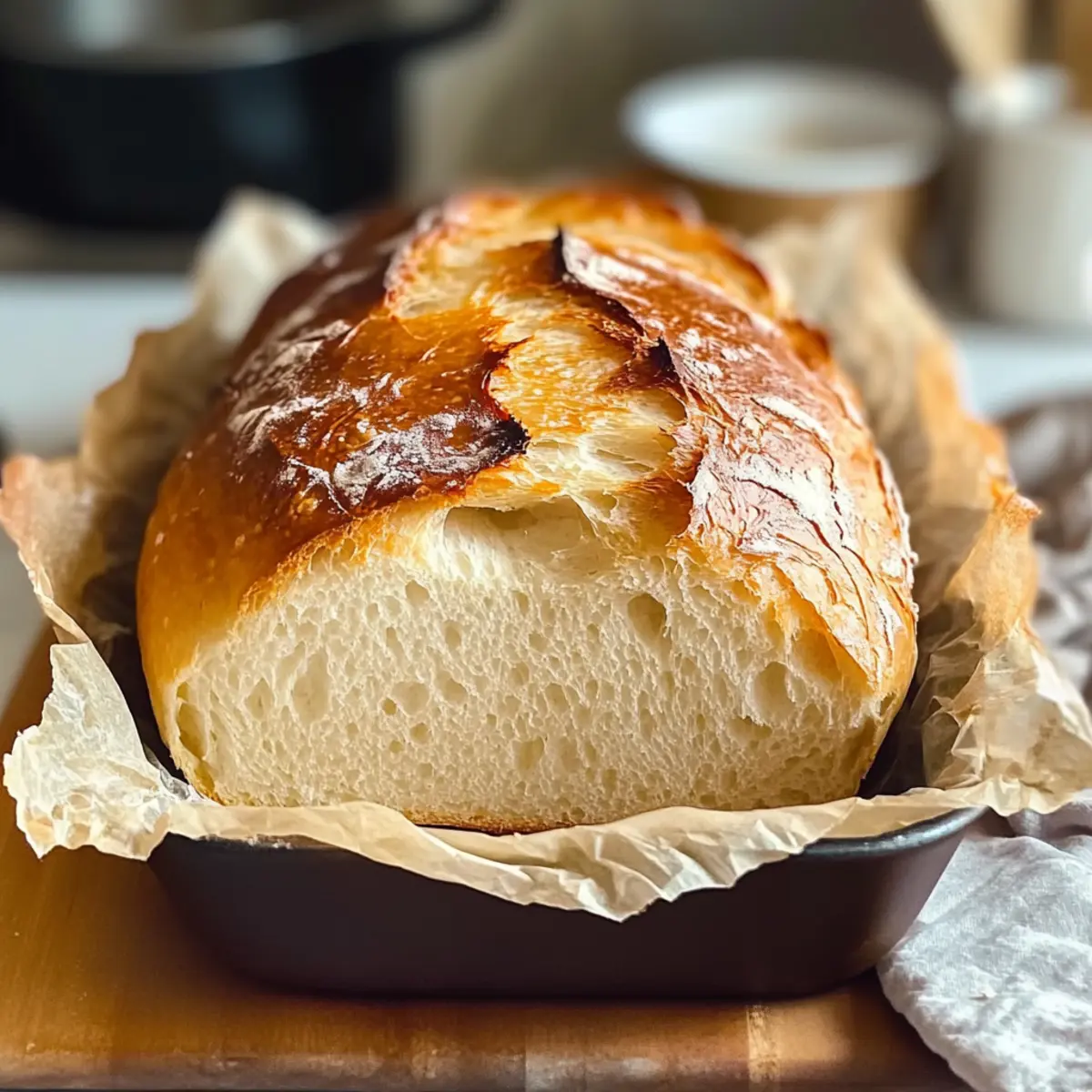
Expert Tips for Easiest Yeast Bread
Active Yeast Check: Ensure the yeast is fresh and active by checking for foam during activation; this guarantees your bread will rise properly.
Add Some Crunch: For added flavor and texture, consider mixing in seeds, like sunflower or flaxseed, to enhance your yeast bread.
Avoid Overproofing: Watch the clock during the rising stages; overproofing can lead to a dense loaf. Monitor carefully to achieve the perfect rise.
Tap for Doneness: When your bread finishes baking, tap the bottom of the loaf. If it sounds hollow, it’s done! This tip ensures a light and airy texture.
Experiment Freely: Feel free to get creative with your yeast bread! Try adding herbs or spices to personalize it to your taste preferences.
How to Store and Freeze Yeast Bread
Room Temperature: Store your yeast bread in an airtight container at room temperature for up to 3 days to maintain its soft texture and flavor.
Fridge: If you need to keep the bread longer, it can be stored in the refrigerator for up to a week. However, this may affect its freshness; wrap it well to minimize dryness.
Freezer: For longer storage, wrap the cooled bread tightly in plastic wrap, then place it in a freezer bag. It can be frozen for up to 3 months without losing flavor or texture.
Reheating: When ready to enjoy your yeast bread, reheat it wrapped in foil at 350°F (175°C) for 10–15 minutes to restore its warmth and crusty exterior.
Yeast Bread Variations & Substitutions
Feel free to explore these delightful variations and make this easy recipe your own!
-
Herb & Cheese: Add shredded cheese and minced garlic for a savory loaf that’s perfect with spaghetti or soup.
This variation will transform your yeast bread into a flavorful companion. Imagine tearing into that cheesy goodness while savoring each dense, herb-infused bite! -
Sweet Cinnamon Loaf: Mix in raisins and cinnamon for a deliciously sweet breakfast treat that pairs wonderfully with coffee.
Your kitchen will be filled with the cozy aroma of cinnamon, creating a warm embrace that invites family and friends to gather around. -
Multigrain Twist: Swap part of the flour with oats or a five-grain cereal for a nutty, hearty texture.
This variation not only boosts flavor but also adds nutritional value, making it a delightful choice for a breakfast or sandwich option. -
Gluten-Free Delight: Use a gluten-free flour blend to create a light, fluffy version everyone can enjoy.
Don’t miss out on delicious bread just because of dietary restrictions; this option allows everyone to partake in the joy of freshly baked yeast bread. -
Artisan Crust: Introduce a pan of water in the oven to create steam, resulting in a crustier artisan-style loaf.
You’ll be amazed at the bread’s transformation as it develops that crackling crust while remaining irresistibly soft inside—just like the artisan loaves from your local bakery! -
Spicy Kick: Add jalapeños or crushed red pepper flakes to the dough for a delightful heat that livens things up.
This twist will take your bread to a whole new level, making it a bold choice for sandwiches or served alongside chili. -
Fruity Addition: Toss in chopped dried apricots or cranberries for a burst of flavor in your loaf.
These colorful pops of sweetness will not only delight your palate but also make the bread visually stunning, perfect for impressing guests!
What to Serve with No-Knead Easiest Yeast Bread?
Building a comforting meal around this soft, golden loaf is a delightful experience you’ll love.
-
Creamy Tomato Soup: The rich and tangy flavors provide a perfect dip for your warm bread, making each bite a comforting moment.
-
Garden Salad: Fresh, crisp greens and a zesty vinaigrette create a refreshing contrast to the warm bread, enhancing its delightful texture.
-
Garlic Herb Butter: Slathering warm slices in this aromatic spread elevates your experience; the combination of savory flavors is simply unforgettable!
-
Cheese Platter: Pair your loaf with a variety of cheeses for a delightful appetizer that complements both flavor and texture in every mouthful.
-
Roasted Vegetables: Sweet and savory roasted veggies add a colorful and nutritious side, perfectly balancing the heartiness of the yeast bread.
-
Herbed Olive Oil Dip: A fragrant blend of olive oil and herbs encourages you to tear the bread and dip, creating an inviting atmosphere at your table.
-
Honey or Jam: Drizzling honey or spreading fruity jam adds a warming sweetness, transitioning your loaf into a delightful breakfast or dessert option.
-
Sparkling Cider: A refreshing drink choice that complements the loaf’s warmth and texture, making every meal feel like a festive occasion.
Make Ahead Options
These Easiest Yeast Bread options are perfect for busy home cooks looking to save time! You can prepare the dough up to 24 hours in advance by following the first rise and then refrigerating the dough instead of leaving it at room temperature. Just remember to cover it tightly to prevent drying out. When you’re ready to bake, simply let the dough come to room temperature for about 30 minutes, shape it into a loaf in a greased pan, and allow it to rise for another 30 minutes before preheating your oven. For even easier meal planning, you can also bake and store the bread: it keeps well in an airtight container for up to 3 days or can be frozen for up to 3 months. Just reheat wrapped in foil, and your freshly made yeast bread will be just as delicious!
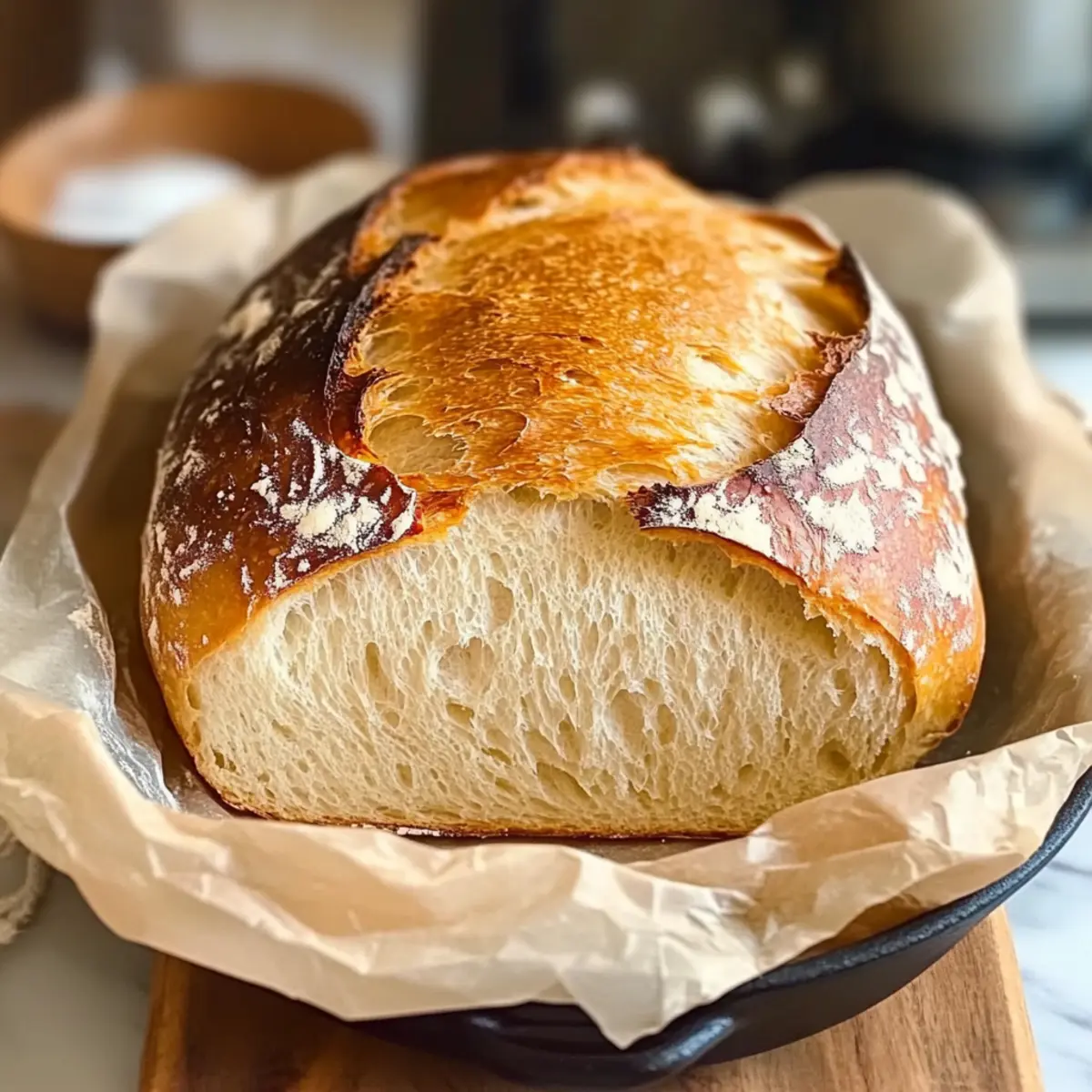
Easiest Yeast Bread Recipe FAQs
How can I tell if my yeast is active?
Absolutely! To check if your yeast is active, sprinkle it over warm water mixed with sugar and let it sit for 5–10 minutes. If it foams and bubbles, your yeast is good to go!
Can I store my yeast bread at room temperature?
Very! Store your yeast bread in an airtight container at room temperature for up to 3 days. This keeps it fresh and soft, perfect for those next-day sandwiches.
What is the best way to freeze yeast bread?
Of course! For freezing, wrap the cooled loaf tightly in plastic wrap and then place it inside a freezer bag. Make sure to seal it well to prevent freezer burn. Your bread can stay fresh for up to 3 months this way.
What should I do if my bread didn’t rise properly?
No worries! If your bread didn’t rise, it could be due to inactive yeast or the dough being too cold. Ensure your yeast is fresh and always activate it with warm water at about 110°F (43°C). If the dough feels too cool, let it rise in a warmer spot, perhaps near an oven that’s preheating.
Are there any allergy concerns with this recipe?
Absolutely! This yeast bread can be adapted for various allergies. If gluten is a concern, substitute with a gluten-free flour blend. Always check specific brands for other allergens, like yeast or different types of sugar, especially for those with food sensitivities.
How should I store leftover bread?
Very easily! Store leftover bread in an airtight container in the fridge for up to a week, but for optimal taste, consume within 3 days. To refresh it, reheat by wrapping it in foil and placing it in an oven at 350°F (175°C) for 10-15 minutes. Enjoy your delightful yeast bread!
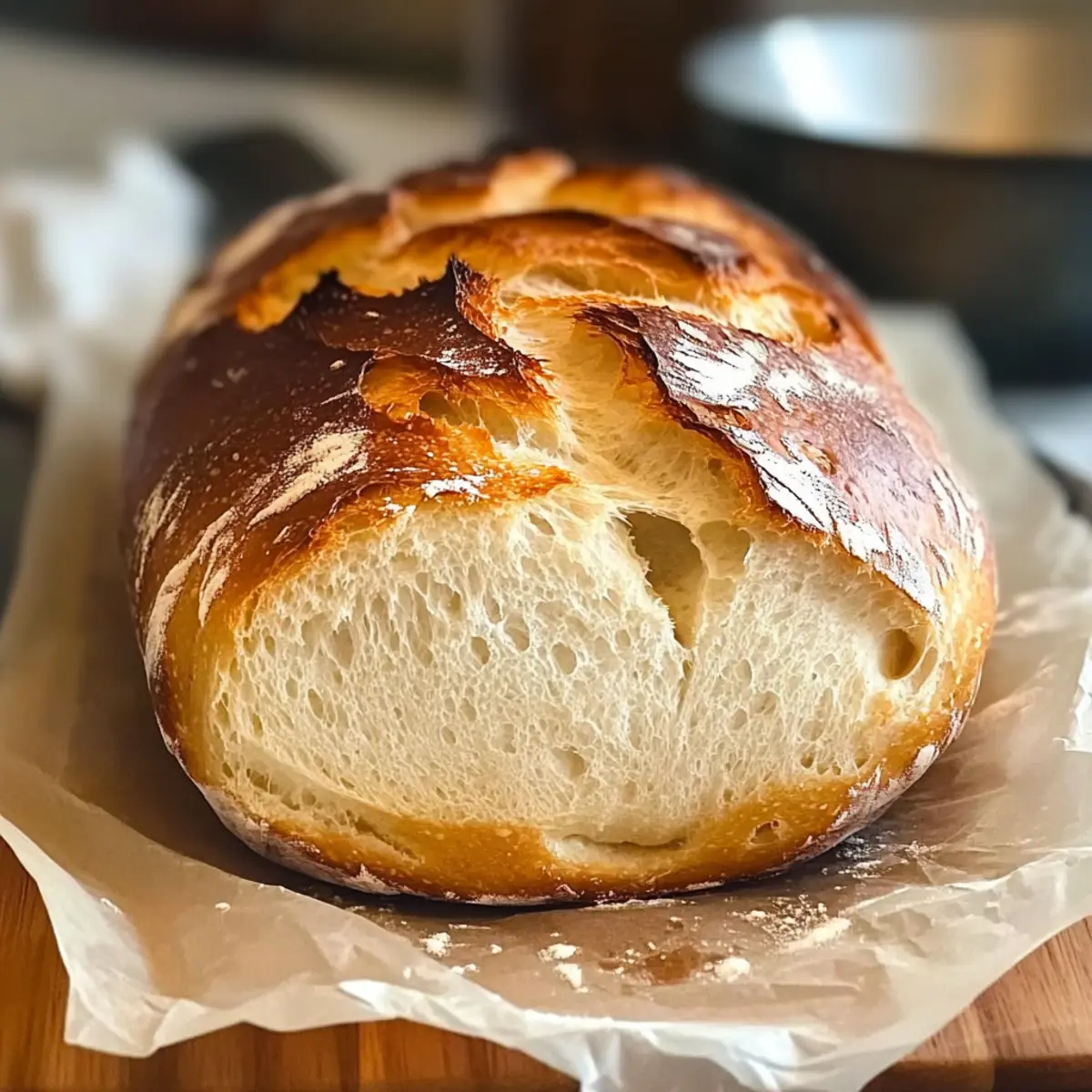
Easiest Yeast Bread Recipe You Can Make Today
Ingredients
Equipment
Method
- Activate the Yeast: In a mixing bowl, combine warm water and sugar. Sprinkle active dry yeast and let sit for 5–10 minutes until frothy.
- Mix the Ingredients: Stir in salt and olive oil, then gradually add flour until a shaggy dough forms.
- First Rise: Cover the bowl and let the dough rise for about 1 hour until doubled in size.
- Shape the Dough: Punch down the dough, shape into a loaf, and place in a greased loaf pan. Let rise for 30 minutes.
- Preheat the Oven: Preheat oven to 375°F (190°C) while the dough rises.
- Bake the Bread: Bake the loaf for 30 minutes until golden brown and sounds hollow when tapped.
- Cool the Bread: Let cool in the pan for 10 minutes, then transfer to a wire rack.
Leave a Reply