
In just five minutes, I discovered a delightful fusion of flavors that completely changes the dinner game—An easy Korean bibimbap sauce! This zesty concoction brings spicy, sweet, and savory notes that really enhance the colorful medley in bibimbap. With a mere six pantry staples required, it’s the perfect solution for those of us craving authentic Korean cuisine without devoting hours in the kitchen. One of my favorite perks is its adaptability; whether you love a fiery kick or prefer a milder touch, this bibimbap sauce has got you covered. Plus, it’s perfect for meal prep—just make it ahead of time and have it ready to elevate any dish throughout the week! Curious about how to bring this vibrant sauce to life? Let’s dive in!
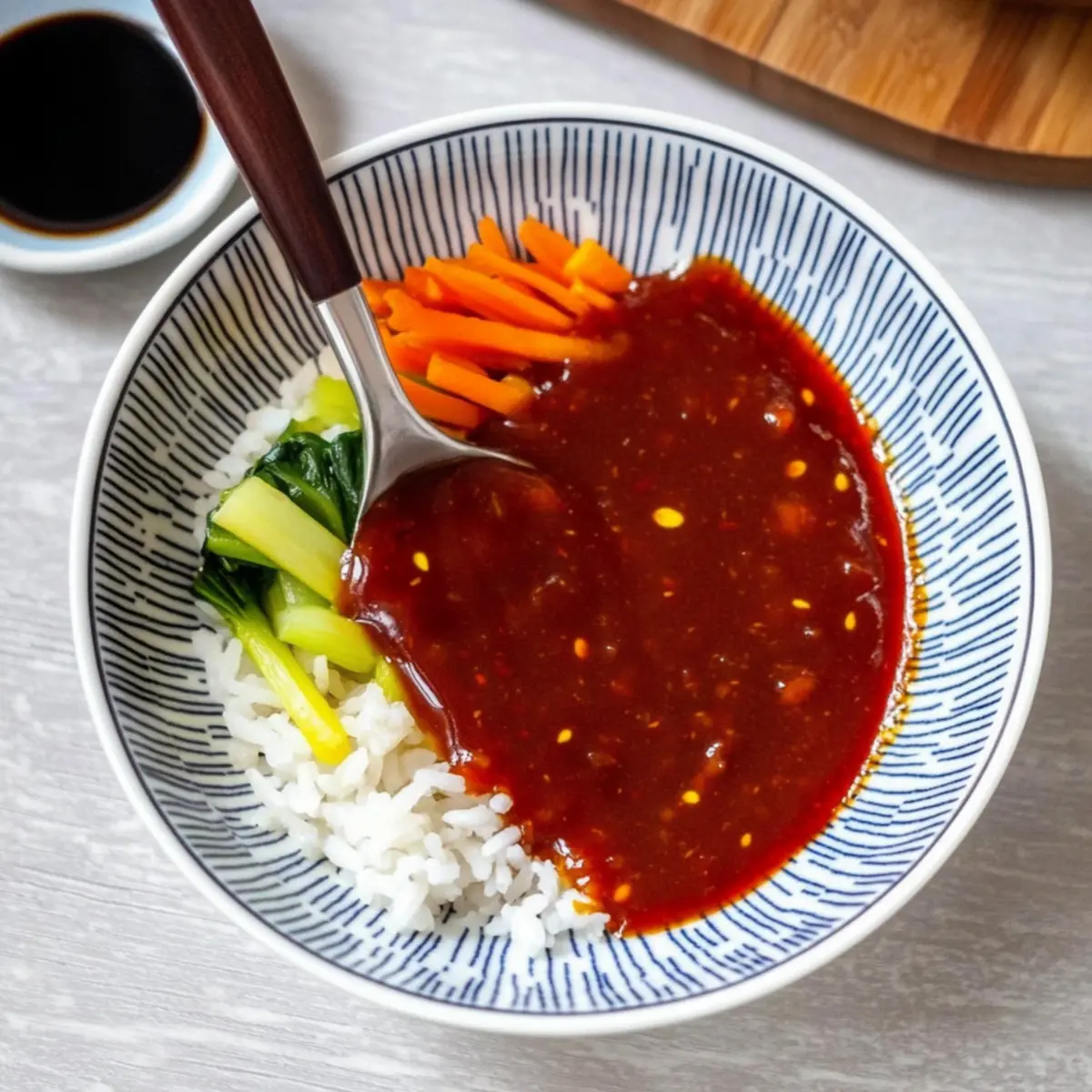
Why is Bibimbap Sauce a Game-Changer?
Quick and Easy: In just five minutes, you can whip up a sauce that elevates any meal. No culinary wizardry needed!
Flavor Explosion: The vibrant mix of spicy, sweet, and savory notes transforms your dishes, making each bite a new adventure.
Versatility at Its Finest: This sauce isn’t just for bibimbap; it pairs beautifully with rice, noodles, or grilled veggies (give it a try with your favorite stir-fry!).
Customizable: Want more heat? Add extra gochujang! Prefer a milder taste? Adjust the ingredients as needed. Everyone’s taste can shine!
Meal Prep Hero: Make a big batch and store it in a glass jar for easy meals throughout the week—no more bland, fast food dinners!
This bibimbap sauce will soon become your go-to for quick dinners and flavorful meals. For more quick sauces, check out our post on 5-Minute Asian Sauces.
Bibimbap Sauce Ingredients
• A perfect blend of pantry staples awaits you!
For the Sauce
- Gochujang – A key ingredient that adds heat and depth; use milder chili paste if you want less spice.
- Garlic (minced) – Provides aromatic and umami notes; fresh garlic is recommended for best flavor.
- Toasted Sesame Oil – Contributes a nutty flavor and richness; regular sesame oil can work but has a lighter taste.
- Honey – Sweetness that balances out the heat; agave nectar is a suitable alternative for a vegan option.
- Sugar – Enhances sweetness and rounds out flavors; can be omitted or swapped with a sugar substitute.
- Rice Vinegar – Adds acidity and brightness; apple cider vinegar can be used in a pinch.
This bibimbap sauce is not only quick to prepare but also opens a door to delightful culinary adventures!
Step‑by‑Step Instructions for Bibimbap Sauce
Step 1: Gather Ingredients
Start by measuring out all your ingredients for the bibimbap sauce: gochujang, minced garlic, toasted sesame oil, honey, sugar, and rice vinegar. Use a medium-sized mixing bowl to combine these flavorful pantry staples. Ensure your work area is tidy and equipped, as this will make the blending process smooth and enjoyable.
Step 2: Combine Ingredients
In the mixing bowl, add the gochujang first, followed by the minced garlic, toasted sesame oil, honey, sugar, and rice vinegar. Using a whisk or spoon, stir the mixture vigorously for about one minute. Aim for a well-blended and smooth texture; the vibrant reddish-brown color should be evident as the ingredients meld beautifully.
Step 3: Adjust Consistency
After blending, taste your bibimbap sauce to gauge the flavor balance. If you prefer a sweeter or spicier kick, gently fold in a bit more honey or gochujang. Continue mixing until everything is harmoniously blended, making sure the sauce is thick and smooth, perfect for clinging to rice and vegetables.
Step 4: Store or Serve
Once your bibimbap sauce reaches the desired flavor and consistency, you can use it immediately or store it for later. If saving for future meals, transfer the sauce to a clean glass jar with a tight-sealing lid. Refrigerate and enjoy it within two weeks, bringing a burst of flavor to your dishes at a moment’s notice.
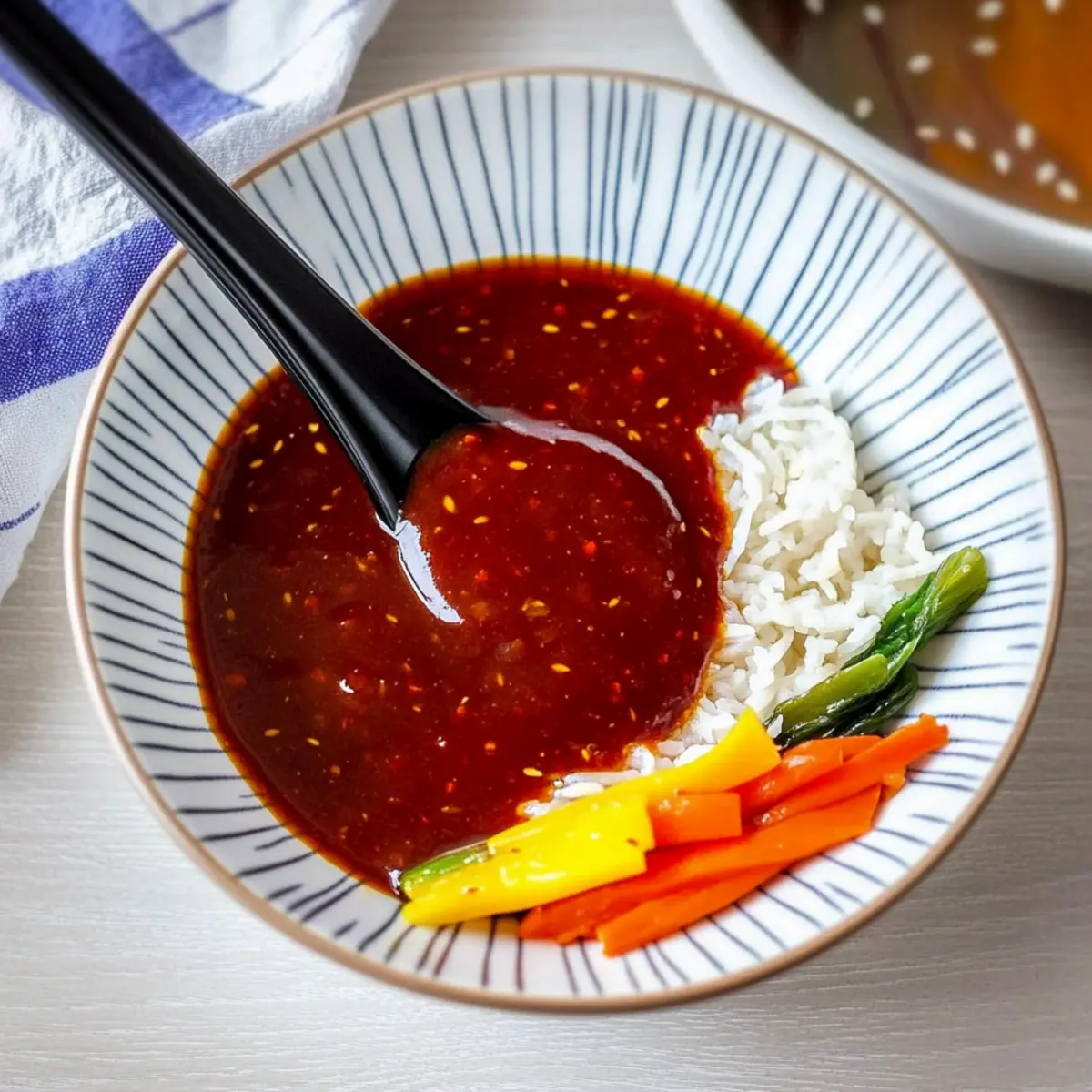
What to Serve with Easy Korean Bibimbap Sauce
This delightful sauce opens the door to a complete and satisfying meal experience that you won’t want to miss.
- Steamed Jasmine Rice: The fluffy texture of jasmine rice perfectly absorbs the flavors of the bibimbap sauce, creating a harmonious dish.
- Sautéed Spinach: A quick sauté with garlic and sesame oil adds a fresh, earthy taste, balancing the sauce’s richness beautifully.
- Grilled Tofu: Crispy, grilled tofu pairs wonderfully, offering a protein-rich option that soaks up the sauce delightfully.
- Pickled Vegetables: The tangy crunch of pickled radishes or cucumbers provides a refreshing contrast, elevating the meal.
- Kimchi: The spicy and fermented flavor of kimchi complements the sauce, adding depth and a traditional touch to your meal.
- Sesame Noodles: Try tossing cooked noodles with some bibimbap sauce for a quick, satisfying dish that bursts with flavor.
- Chilled Seaweed Salad: This dish offers a light texture and oceanic taste, making it a perfect side to round out the flavors.
- Korean Fried Chicken: Crispy and succulent, the fried chicken’s crunch matches wonderfully with the rich spiciness of the bibimbap sauce.
- Cold Beer: A refreshing lager or light beer helps to cleanse the palate, enhancing the overall flavor experience.
- Mochi Ice Cream: Finish the meal on a sweet note; the chewy texture and sweetness of mochi ice cream delights after the spice.
How to Store and Freeze Bibimbap Sauce
Fridge: Store your bibimbap sauce in a glass jar with a tight lid for up to two weeks. This keeps it fresh and flavorful, ready for your next meal!
Freezer: For longer storage, freeze the sauce in an ice cube tray. Once frozen, transfer the cubes to a zip-top bag, where they will last for up to three months.
Reheating: To use frozen bibimbap sauce, simply thaw overnight in the fridge or microwave in short increments. Stir well before serving to maintain the sauce’s smooth texture.
Portioning: If you plan to use the sauce regularly, consider portioning it into small containers for easy access. This way, you can enjoy vibrant, delicious meals at a moment’s notice!
Expert Tips for the Best Bibimbap Sauce
-
Spice Adjustment: Start with less gochujang if you’re unsure about spice levels; you can always add more later for a bolder flavor.
-
Ingredient Freshness: Use fresh garlic and quality gochujang for the best taste; these little details make a big difference in your bibimbap sauce!
-
Storage Wisdom: Always store your sauce in a glass jar to prevent staining. This way, your bibimbap sauce stays fresh and vibrant for up to two weeks.
-
Flavor Balance: If the sauce is too spicy, add more honey or sugar to balance the heat. This is a great trick to ensure everyone at the table enjoys it!
-
Experiment: Don’t hesitate to add extras like sesame seeds or ginger for a unique twist. This sauce is a fantastic base for creative culinary adventures!
Make Ahead Options
These bibimbap sauce preparations are perfect for busy weeknights! You can make the sauce up to two weeks in advance, ensuring you have a delicious, flavor-packed condiment at your fingertips. To prep ahead, simply combine all ingredients (gochujang, minced garlic, toasted sesame oil, honey, sugar, and rice vinegar) in a glass jar, as this helps maintain the sauce’s vibrant color and prevents staining. When you’re ready to serve, just give the jar a good shake to remix the ingredients, and drizzle the sauce over your rice and vegetables. This way, you’ll have a homemade, restaurant-quality bibimbap experience with minimal effort!
Bibimbap Sauce Variations & Substitutions
Feel free to make this bibimbap sauce your own with these fun variations—you’ll amaze your taste buds!
- Heat Adjustment: Start with half the gochujang if you prefer a milder flavor. You can always add more for extra kick later!
- Sweetener Swap: Substitute honey with maple syrup for a vegan-friendly alternative that still brings that perfect sweetness.
- Texture Boost: Add a sprinkle of sesame seeds on top before serving for an added crunch and nutty flavor. They bring an exciting texture contrast!
- Ginger Zing: Incorporate fresh ginger (minced or grated) to bring a fresh zing to your sauce, enhancing the overall flavor profile beautifully.
- Vinegar Variety: Use lime juice instead of rice vinegar for a bright, citrusy twist that pairs exceptionally well with the other rich flavors.
- Herbal Infusion: Mix in finely chopped green onions or cilantro for a burst of freshness and extra layers of flavor in your dish.
- Zesty Lemon: Squeeze a bit of lemon juice into the sauce for a refreshing depth that complements the spicy notes.
- Dijon Kick: For a unique spin, add a teaspoon of Dijon mustard to introduce a creamy kick and tanginess that lightens the sauce just a tad.
Want to explore more flavorful options? For additional twists, check out our great ideas on 5-Minute Asian Sauces for even more culinary inspiration!
Bibimbap Sauce Recipe FAQs
What kind of gochujang should I use for bibimbap sauce?
Absolutely! For the best flavor, I recommend using a quality gochujang, which offers a perfect balance of heat and umami. If you prefer less spice, opt for a milder chili paste, but know that it won’t give you the same depth of flavor typical in traditional bibimbap sauce.
How long can I store bibimbap sauce in the fridge?
Your homemade bibimbap sauce can last for up to two weeks in the refrigerator. Just make sure to store it in a clean glass jar with a tight lid to preserve its vibrant flavor and color—this keeps it fresh for when those cravings hit!
Can I freeze bibimbap sauce?
Yes, you can! To freeze bibimbap sauce, pour it into an ice cube tray and freeze until solid. Once frozen, transfer the cubes to a zip-top bag. They will keep well for up to three months. This way, you can conveniently add an explosion of flavor to your meals whenever you need!
What if my bibimbap sauce is too spicy?
No worries! If your sauce turns out too spicy for your liking, just add a bit more honey or sugar to balance out the heat. Start with just half a teaspoon and mix it in well. Tasting as you go will help you achieve that perfect flavor harmony that everyone at the table will love.
Can I make this bibimbap sauce vegan-friendly?
Certainly! To make a vegan bibimbap sauce, simply substitute the honey with agave nectar. The sweetness will still balance the spicy notes wonderfully, ensuring all your friends and family can enjoy it without compromise.
Are there any common substitutions for the ingredients?
Very! Rice vinegar can be swapped with apple cider vinegar if you’re in a pinch. Also, if you’re out of toasted sesame oil, regular sesame oil works, although it will offer a slightly lighter flavor. Feel free to get creative while making this bibimbap sauce!
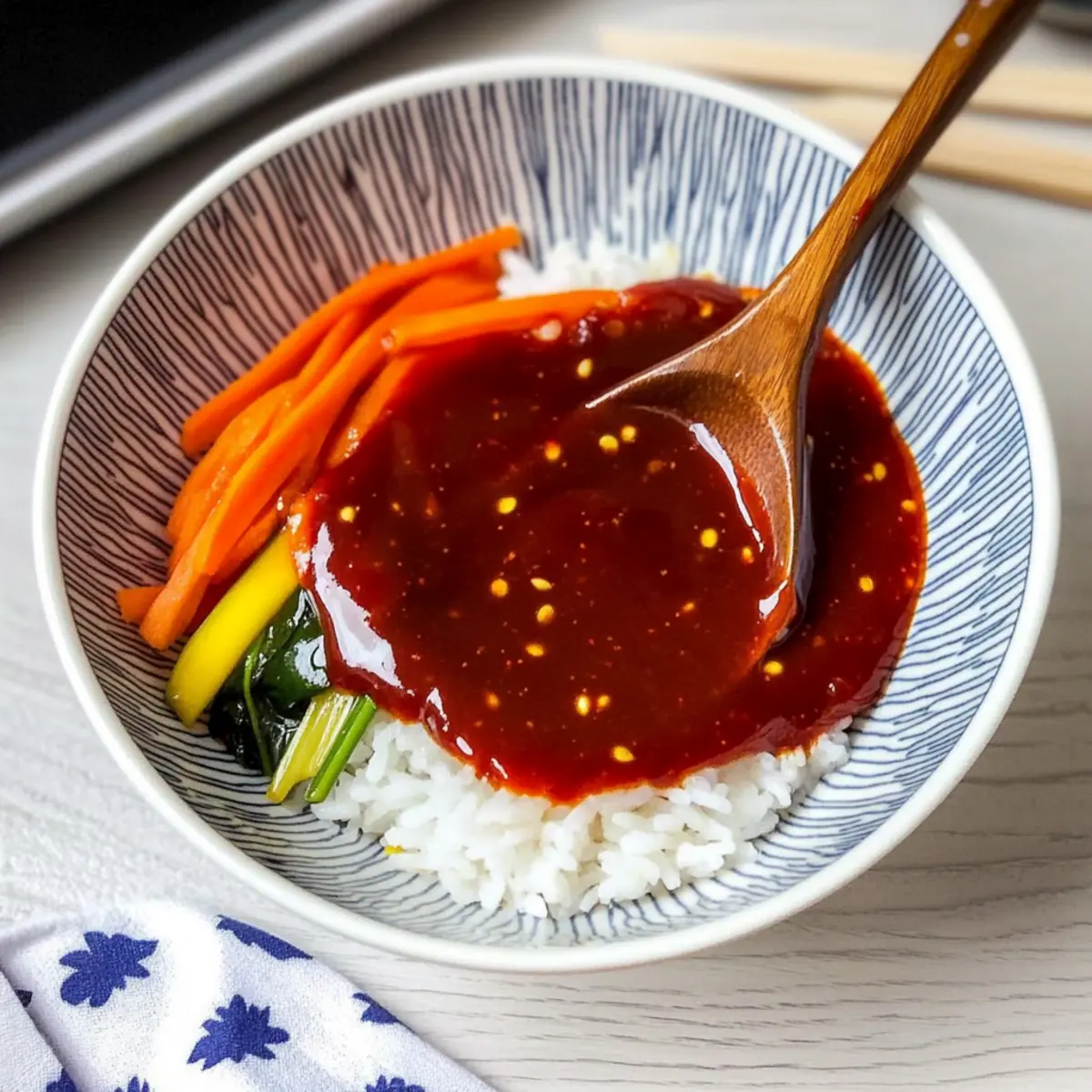
Bold and Flavorful Bibimbap Sauce in Just 5 Minutes
Ingredients
Equipment
Method
- Gather all ingredients: gochujang, minced garlic, toasted sesame oil, honey, sugar, and rice vinegar in a medium bowl.
- Add gochujang, minced garlic, toasted sesame oil, honey, sugar, and rice vinegar to the bowl, and whisk vigorously for one minute.
- Taste the sauce and adjust sweetness or spiciness by folding in more honey or gochujang.
- Once you achieve the desired consistency and flavor, use immediately or store in a glass jar.
Leave a Reply