
“Spicy, creamy, and utterly irresistible, this Gochujang Pasta is a delightful fusion of Korean and Italian flavors that will have your taste buds doing a happy dance. Inspired by my own adventures in the kitchen, I’ve created this dish to be ready in just 15 minutes—perfect for busy weeknights or those evenings when you want to impress without breaking a sweat. With its rich sauce and that unmistakable kick from Gochujang, this pasta is not only a quick win for your family, but it’s also a versatile delight for both vegan and gluten-free eaters. Ready to transform your dinner routine into something exciting? Let’s dive into this flavor-packed creation together!”
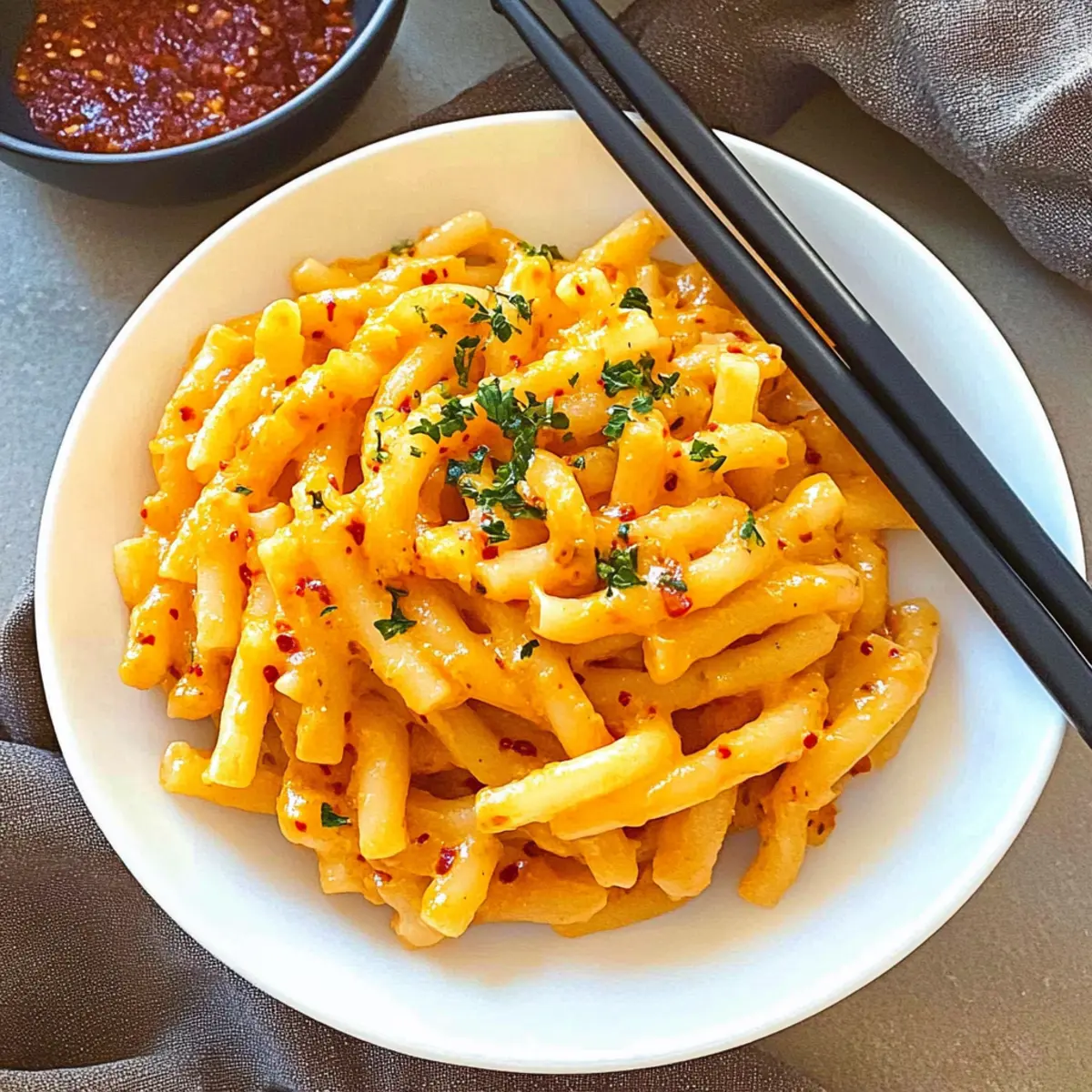
Why is Gochujang Pasta a Must-Try?
Quick and Easy: This recipe can be whipped up in just 15 minutes, making it a lifesaver for busy weeknights or impromptu gatherings.
Bold Flavor: The distinctive spicy and savory notes of Gochujang combined with creamy ingredients create a taste sensation that’s both comforting and exciting.
Versatile Delight: Easily customizable, you can add proteins or vegetables to suit your palate or dietary needs, making it a perfect option for everyone.
Perfect for Meal Prep: You can prepare this dish in advance and store it, ensuring a delicious meal is always ready to go on those hectic days.
Crowd-Pleasing: With its inviting flavors and stunning appearance, your family and friends will be asking for seconds and will definitely be impressed!
Try pairing this with a side of grilled veggies or check out other quick meals for a full satisfying dinner experience.
Gochujang Pasta Ingredients
• Discover the key components that bring this dish to life!
For the Pasta
- Fusilli Corti Bucati Pasta – This pasta shape provides a lovely texture; feel free to substitute with any pasta you love.
For the Sauce
- Gochujang – This key ingredient delivers a spicy and umami punch; opt for gluten-free varieties if needed.
- Garlic – Freshly minced garlic enhances the aroma and depth of flavor.
- Salted Butter – Adds creaminess and richness; use plant-based butter for a vegan twist.
- Olive Oil – Perfect for sautéing the garlic, providing a lovely base.
- Shredded Parmesan or Cheddar Cheese – Offers a creamy, cheesy layer to the sauce; swap with nutritional yeast for a vegan alternative.
- Heavy Cream – Creates that luscious, velvety sauce; can easily be replaced with plant-based cream.
- Freshly Ground Black Pepper – Adds an optional kick if you crave that extra spice.
For Garnish
- Chopped Parsley – Brightens the dish and elevates presentation; sprinkle generously!
Dive into the cooking process with confidence, knowing you have all the delicious components ready for your Gochujang Pasta!
Step‑by‑Step Instructions for Gochujang Pasta
Step 1: Cook Pasta
Begin by bringing a large pot of water to a rolling boil. Add a generous pinch of salt, if desired, and then add the fusilli corti bucati pasta. Cook it for about 7-12 minutes, stirring occasionally, until it reaches your preferred level of tenderness. Once cooked, drain the pasta in a colander and set it aside, allowing it to briefly steam while preparing the sauce.
Step 2: Sauté Garlic
In a large sauté pan over medium heat, melt 2 tablespoons of salted butter along with 1 tablespoon of olive oil. Once the mixture is hot and bubbling, add 3 cloves of minced garlic and a pinch of freshly ground black pepper. Cook for about 30-60 seconds, stirring gently until the garlic is fragrant and golden, but be careful not to let it burn.
Step 3: Make Sauce
To the sautéed garlic, stir in 2 tablespoons of Gochujang, 1 cup of heavy cream, and 1 cup of shredded Parmesan cheese (or a vegan alternative). Keep the heat at medium and cook the sauce for 1-2 minutes, stirring continuously, until it thickens slightly and turns a delectable shade of rosy orange. The cheese should melt fully, creating a creamy consistency.
Step 4: Combine
Now it’s time to bring the elements together! Add the drained fusilli pasta directly into the pan with your luscious Gochujang sauce. Toss everything gently for about 1-2 minutes, ensuring every piece of pasta is coated in the spicy-creamy goodness. Adjust the sauce’s consistency if needed by adding a splash of reserved pasta water.
Step 5: Serve
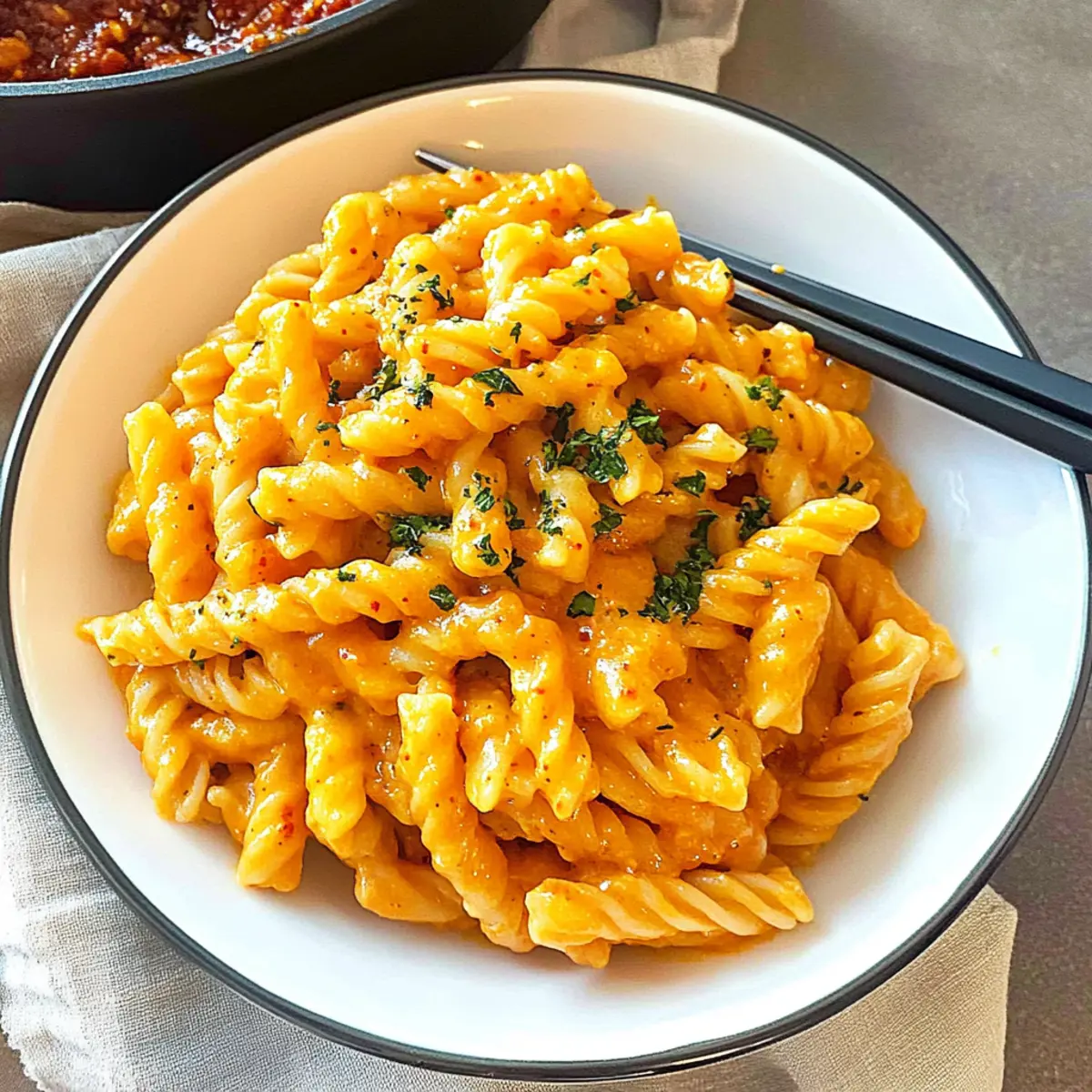
Once combined, plate your Gochujang Pasta into bowls or on plates. For an elegant touch, sprinkle chopped parsley on top for freshness and visual appeal. Serve immediately, and savor the vibrant flavors, making this dish a centerpiece for your meal.
Gochujang Pasta Variations & Substitutions
Feel free to add your personal touch to this delightful dish with these fun twists and swaps!
-
Protein Boost: Add grilled chicken, shrimp, or even tofu for a heartier meal. Each addition brings its own unique flavor and texture that complements the sauce beautifully.
-
Vegetable Power: Incorporate sautéed or roasted vegetables like bell peppers, zucchini, or mushrooms for added nutrition and a fresh crunch. It’s a simple way to make the dish even more vibrant!
-
Vegan-Friendly: Swap out all dairy with plant-based alternatives like almond or coconut cream, and use nutritional yeast instead of cheese for a creamy, vegan delight. You won’t even miss the original!
-
Spice it Up: For those who crave extra heat, toss in some red pepper flakes or a dash of chili oil. It’s an easy way to amp up the spice level to your liking!
-
Flavorful Edges: Enhance your sauce with a splash of soy sauce or sesame oil for added umami depth. These small additions can elevate the flavor profile into something extraordinary.
-
Texture Play: Try using whole grain or gluten-free pasta for a different texture and nutritional boost. It’s a minor change that can lead to a delightful new experience.
-
Garnish Delight: Consider topping with sesame seeds or sliced green onions for an Asian-inspired flair and added crunch. These simple garnishes can transform the plate!
-
Side Pairing: Serve alongside roasted Korean-style pickled radishes or a side of kimchi for a refreshing contrast that balances the richness of the pasta. It’s a perfect pairing that brings harmony to the meal!
Expert Tips for Gochujang Pasta
-
Garlic Caution: Be careful not to burn the garlic while sautéing; cooking it just until fragrant enhances the flavor without bitterness.
-
Cream Consistency: If your sauce is too thick, slowly add a splash of reserved pasta water to achieve the desired creaminess.
-
Flavor Balance: Adjust the amount of Gochujang according to your spice tolerance; start with less and add more to suit your taste.
-
Storage Advice: To maintain texture, cool the Gochujang Pasta completely before storing it in an airtight container in the fridge.
-
Fresh Garnish: Always finish your dish with chopped parsley or other fresh herbs for that vibrant, eye-catching touch—it makes a world of difference!
How to Store and Freeze Gochujang Pasta
Fridge: Store your Gochujang Pasta in an airtight container for up to 5 days to keep it fresh. Reheat gently in the microwave or on the stovetop, adding a splash of water or cream to restore creaminess.
Freezer: For longer storage, freeze portions of Gochujang Pasta in freezer-safe containers. It can last for up to 3 months. Thaw overnight in the fridge before reheating.
Reheating: When reheating, do so slowly over low heat on the stovetop or in the microwave. Stir occasionally to ensure even warming.
Cool Before Storing: Allow the pasta to cool completely before placing it in the fridge or freezer to maintain its texture and flavors.
Make Ahead Options
These creamy Gochujang Pasta preparations are perfect for meal prep, saving you precious time during the week! You can cook the pasta up to 24 hours in advance and refrigerate it in an airtight container to maintain its texture. Additionally, you can prepare the sauce, combining the Gochujang, heavy cream, cheese, and garlic, and store it for up to 3 days. To maintain the dish’s quality, keep each component separate until you’re ready to serve. When the time comes, simply reheat the sauce in a pan, toss in the cooked pasta, and warm it through for an effortless meal that is just as delicious as when freshly made. Enjoy the convenience of a flavorful Gochujang Pasta in minutes!
What to Serve with Creamy Gochujang Pasta
Elevate your meal experience by complementing this vibrant dish with flavorful sides and drinks that harmonize beautifully.
-
Grilled Chicken Thighs: Juicy and tender, they add heartiness that contrasts wonderfully with the spicy creaminess. Their smoky flavor enhances the overall dish.
-
Roasted Vegetables: Seasonal vegetables like zucchini and bell peppers bring freshness and a slight sweetness, balancing the spicy notes of the pasta.
-
Crunchy Asian Slaw: A refreshing mix of cabbage, carrots, and sesame dressing creates a crisp texture that beautifully complements the creamy sauce.
-
Kimchi: This tangy, fermented side offers an extra kick, adding a delightful depth of flavor that enhances your dining experience.
-
Garlic Bread: Crispy, buttery garlic bread is perfect for scooping up extra sauce, satisfying that craving for comfort food.
-
Chilled White Wine: A glass of chilled Sauvignon Blanc or Pinot Grigio offers a zesty contrast, making each bite even more enjoyable.
-
Mango Sticky Rice: For dessert, this sweet and creamy dish cools the palate while enticing you with its dreamy texture. The sweetness rounds out the meal beautifully.
These pairings not only elevate the flavor profile of the Gochujang Pasta but also create a total dining experience that will have everyone asking for another helping!
Gochujang Pasta Recipe FAQs
What type of pasta should I use for Gochujang Pasta?
You can use fusilli corti bucati pasta, which is great for holding the sauce. However, feel free to substitute with any pasta shape you prefer, such as penne or spaghetti!
How do I know when my Gochujang is too old or not good to use?
Check the color and smell of the Gochujang. If it has developed a significantly darker appearance, is dry, or has an off smell, it’s best to discard it. Fresh Gochujang should have a vibrant reddish color and a spicy-sweet aroma.
How should I store leftover Gochujang Pasta?
Absolutely! Place the pasta in an airtight container and store it in the refrigerator for up to 5 days. To reheat, add a splash of water or cream to help restore its creaminess, and heat gently either in the microwave or on the stovetop.
Can I freeze Gochujang Pasta?
Yes, you can freeze it! Allow the pasta to cool completely, and then portion it into freezer-safe containers. It can be stored for up to 3 months. When you’re ready to enjoy it, thaw overnight in the fridge, and reheat on low heat, stirring throughout to ensure even warming.
Is Gochujang Pasta vegan-friendly?
Definitely! You can easily make this dish vegan by substituting the butter with plant-based butter, the cream with a vegan alternative, and using nutritional yeast instead of cheese. Be sure to check that your Gochujang is also vegan, as some brands may include fish or other non-vegan ingredients.
What should I do if my sauce is too thick?
If your sauce turns out thicker than desired, simply add a splash of reserved pasta water or additional cream while stirring over low heat. Continue to add liquid gradually until you achieve your preferred sauce consistency. This also ensures the pasta remains well-coated without drying out.
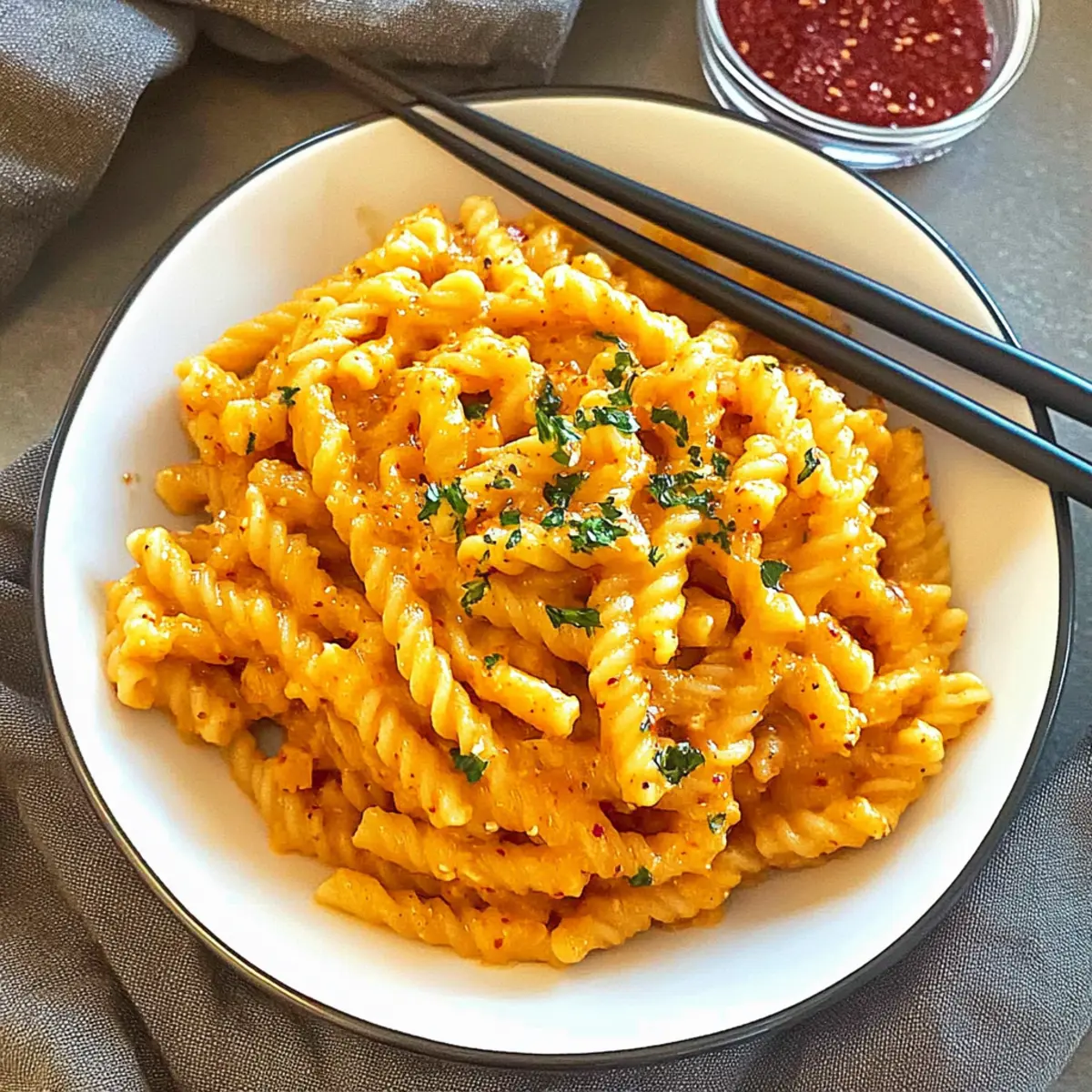
Spicy Gochujang Pasta in 15 Minutes: Comfort Food Bliss
Ingredients
Equipment
Method
- Begin by bringing a large pot of water to a rolling boil. Add a pinch of salt and then add the fusilli corti bucati pasta. Cook for 7-12 minutes, then drain and set aside.
- In a large sauté pan over medium heat, melt 2 tablespoons of salted butter with 1 tablespoon of olive oil. Add 3 cloves of minced garlic and a pinch of ground black pepper. Cook for 30-60 seconds until fragrant.
- Stir in 2 tablespoons of Gochujang, 1 cup of heavy cream, and 1 cup of shredded cheese. Cook for 1-2 minutes until sauce thickens slightly and cheese fully melts.
- Add the drained pasta to the sauce and toss gently for 1-2 minutes to coat all pasta evenly. Adjust consistency with reserved pasta water if needed.
- Plate your Gochujang Pasta and sprinkle with chopped parsley. Serve immediately and enjoy!
Leave a Reply